 Image 1 of 1
"Meh" Teenage Sex Might Have Lasting Effects: A Provocative New Neurodevelopmental Model of Gender Differences in Sex Drive
"Meh" Teenage Sex Might Have Lasting Effects: A Provocative New Neurodevelopmental Model of Gender Differences in Sex Drive
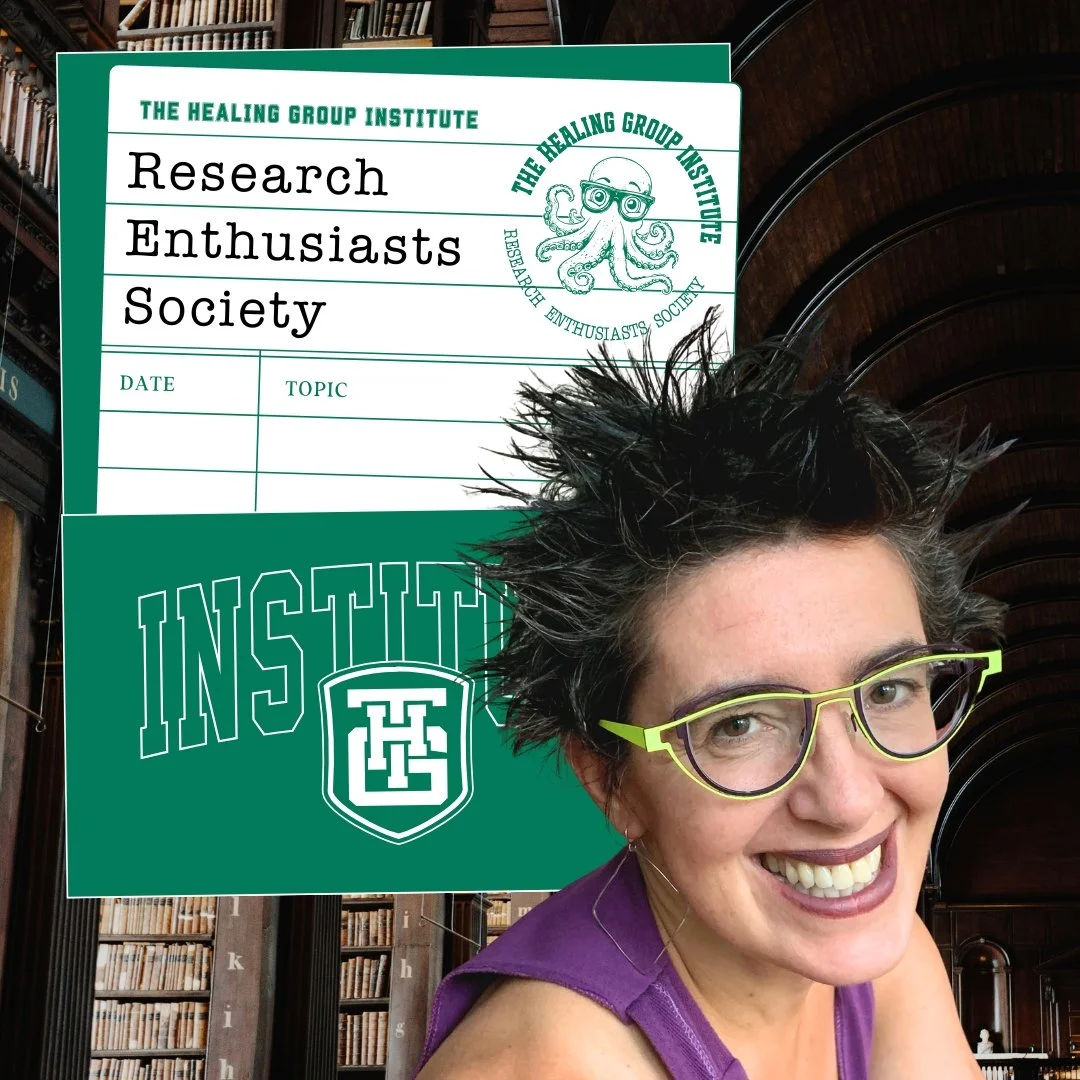
Presenter: Lisa Diamond, PhD
Date: July 28, 2026 | 2:00 PM MST
Format: Live, interactive synchronous webinar | 1 hour
Content Level: Beginner
Target Audience: Clinical Mental Health Providers
CE Credits: 1 continuing education credit
Course Description
Why do cisgender women typically report lower sex drive and lower sexual satisfaction than cisgender men — and what does adolescent brain development have to do with it? This one-hour live training introduces a provocative and clinically relevant new model that reframes this long-standing question through a developmental lens, offering fresh insight into the lasting effects of early sexual experience on adult sexuality.
The BLOOM model, just published by top scholars in the field, centers on a near-universal phenomenon: women typically have less pleasurable heterosexual sex than men during adolescence and at sexual debut. What makes this model new and compelling is its focus on when these unsatisfying experiences occur — during a particularly sensitive and neurologically plastic period of adolescent brain development. The model proposes that the absence of positive sexual reward during this critical window may de-incentivize sex for years to come, contributing to the gender differences in sex drive and sexual satisfaction observed in adult populations.
Through clear, accessible, and clinician-friendly language, Dr. Diamond will summarize the BLOOM model, explain what distinguishes it from previous psychological theories of gender differences in sexuality, and explore how it can inform clinical practice by offering a new lens through which to understand the relevance of a client's adolescent sexual history.
This training is grounded in the core social work values of dignity and worth, the importance of human relationships, and a commitment to evidence-informed practice — affirming that understanding the developmental roots of adult sexuality can meaningfully deepen clinical conceptualization and improve client outcomes.
Learning Objectives
At the conclusion of this training, attendees will be able to:
Compare the BLOOM model to previous psychological theories of gender differences in sexuality, identifying what is new and distinctive about its neurodevelopmental approach.
Explain how emerging research on adolescent brain plasticity informs our understanding of the lasting impact of unrewarding adolescent sexual experiences on adult sex drive and sexual satisfaction.
Apply the BLOOM model in clinical practice by analyzing the relevance of a client's adolescent sexual history when conceptualizing concerns related to desire, arousal, and sexual satisfaction.
Cultural Sensitivity
This training explicitly addresses the influence of culture, race, gender, gender identity, sexual orientation, and socioeconomic status on the topics discussed, recognizing that the BLOOM model — while grounded in research on cisgender, largely heterosexual populations — raises important questions about generalizability across diverse identities and lived experiences. Participants are invited to examine their own unconscious biases related to gender and sexuality, and to consider how implicit assumptions about gender differences in sex drive may affect clinical decision-making, assessment, and treatment planning. The training encourages clinicians to reflect on how the adolescent sexual experiences described in the model are shaped not only by biology and brain development, but by systemic inequities, cultural norms, religious messaging, and social determinants of health that vary significantly across populations. By offering a new developmental lens for understanding clients' sexual histories, the training supports culturally humble, self-reflective practice and promotes the use of inclusive, affirming, and non-stigmatizing language when exploring these topics with clients across diverse cultural, gender, and sexual identities.
Course Content
This training presents an accessible and clinically relevant overview of the BLOOM model — a newly published neurodevelopmental framework for understanding gender differences in sex drive — through engaging lecture and facilitated discussion led by Dr. Lisa Diamond, a leading researcher in human sexuality and gender identity. Drawing from current peer-reviewed literature, the session walks participants through the core premises of the BLOOM model in common-sense language, examining how unrewarding adolescent sexual experiences during a neurologically sensitive period of brain development may shape adult sexual motivation and satisfaction. Participants will explore how this model compares to and expands upon previous psychological theories of gender differences in sexuality, what the emerging science of adolescent brain plasticity contributes to our understanding of early sexual experience, and how clinicians can apply this new framework in practice — particularly when taking a client's adolescent sexual history or conceptualizing concerns related to desire, arousal, and sexual satisfaction. Guided reflection and interactive Q&A provide opportunities for participants to connect the material to their own clinical questions and experiences, supporting the translation of research into practical, client-centered care.
Limitations, Risks, & Benefits
This online training provides a focused, introductory overview of a newly published neurodevelopmental model and is not intended to be comprehensive; clinicians seeking more advanced knowledge are encouraged to pursue additional training and engage with the primary literature. As an emerging model, the BLOOM framework reflects current thinking at the time of its publication and will continue to be refined as new research emerges. No significant risks are anticipated, though participants may have existing assumptions or worldviews challenged in the process of engaging with the material. Benefits include increased understanding of the developmental foundations of adult sexuality, enhanced ability to integrate adolescent sexual history into clinical conceptualization, and expanded frameworks for addressing clients' sexual concerns with greater nuance and depth.
About the Presenter
Lisa Diamond, PhD, is a professor of Psychology and Gender Studies at the University of Utah, where she has worked since 1999. Her research focuses on mental health among LGBTQ+ populations, sexual and gender identity across the life course, sexual and gender fluidity, and childhood and adolescent trauma exposure — including religious trauma — among LGBTQ+ individuals. Dr. Diamond collaborates frequently with clinicians and brings a research-informed perspective that emphasizes the critical role of social safety and unconditional belonging on the health of marginalized populations.
Course Details
Delivery method: Live interactive webinar via the Institute learning platform
Course interactivity: Interactive — participants will engage in facilitated discussion and Q&A
Posttest/quiz: Because this is a live interactive course, a standard posttest is not required. Participation will be monitored throughout the session.
Certificate issuance: Certificates of credit will be issued immediately after course completion to participants who attend the full session and complete the course evaluation.
Contact for questions: institute@thehealinggroup.com
Accessibility accommodations: To request accessibility accommodations, please contact institute@thehealinggroup.com prior to the event. We are committed to making our trainings accessible to all participants.
ASWB ACE Statement:
The Healing Group Institute, provider number 2716, is approved as an ACE provider to offer social work continuing education by the Association of Social Work Boards (ASWB) Approved Continuing Education (ACE) program. Regulatory boards are the final authority on courses accepted for continuing education credit. ACE provider approval period: 3/31/26 – 3/31/27. Social workers completing this course receive 1 continuing education credit.
"Meh" Teenage Sex Might Have Lasting Effects: A Provocative New Neurodevelopmental Model of Gender Differences in Sex Drive
Presenter: Lisa Diamond, PhD
Date: July 28, 2026 | 2:00 PM MST
Format: Live, interactive synchronous webinar | 1 hour
Content Level: Beginner
Target Audience: Clinical Mental Health Providers
CE Credits: 1 continuing education credit
Course Description
Why do cisgender women typically report lower sex drive and lower sexual satisfaction than cisgender men — and what does adolescent brain development have to do with it? This one-hour live training introduces a provocative and clinically relevant new model that reframes this long-standing question through a developmental lens, offering fresh insight into the lasting effects of early sexual experience on adult sexuality.
The BLOOM model, just published by top scholars in the field, centers on a near-universal phenomenon: women typically have less pleasurable heterosexual sex than men during adolescence and at sexual debut. What makes this model new and compelling is its focus on when these unsatisfying experiences occur — during a particularly sensitive and neurologically plastic period of adolescent brain development. The model proposes that the absence of positive sexual reward during this critical window may de-incentivize sex for years to come, contributing to the gender differences in sex drive and sexual satisfaction observed in adult populations.
Through clear, accessible, and clinician-friendly language, Dr. Diamond will summarize the BLOOM model, explain what distinguishes it from previous psychological theories of gender differences in sexuality, and explore how it can inform clinical practice by offering a new lens through which to understand the relevance of a client's adolescent sexual history.
This training is grounded in the core social work values of dignity and worth, the importance of human relationships, and a commitment to evidence-informed practice — affirming that understanding the developmental roots of adult sexuality can meaningfully deepen clinical conceptualization and improve client outcomes.
Learning Objectives
At the conclusion of this training, attendees will be able to:
Compare the BLOOM model to previous psychological theories of gender differences in sexuality, identifying what is new and distinctive about its neurodevelopmental approach.
Explain how emerging research on adolescent brain plasticity informs our understanding of the lasting impact of unrewarding adolescent sexual experiences on adult sex drive and sexual satisfaction.
Apply the BLOOM model in clinical practice by analyzing the relevance of a client's adolescent sexual history when conceptualizing concerns related to desire, arousal, and sexual satisfaction.
Cultural Sensitivity
This training explicitly addresses the influence of culture, race, gender, gender identity, sexual orientation, and socioeconomic status on the topics discussed, recognizing that the BLOOM model — while grounded in research on cisgender, largely heterosexual populations — raises important questions about generalizability across diverse identities and lived experiences. Participants are invited to examine their own unconscious biases related to gender and sexuality, and to consider how implicit assumptions about gender differences in sex drive may affect clinical decision-making, assessment, and treatment planning. The training encourages clinicians to reflect on how the adolescent sexual experiences described in the model are shaped not only by biology and brain development, but by systemic inequities, cultural norms, religious messaging, and social determinants of health that vary significantly across populations. By offering a new developmental lens for understanding clients' sexual histories, the training supports culturally humble, self-reflective practice and promotes the use of inclusive, affirming, and non-stigmatizing language when exploring these topics with clients across diverse cultural, gender, and sexual identities.
Course Content
This training presents an accessible and clinically relevant overview of the BLOOM model — a newly published neurodevelopmental framework for understanding gender differences in sex drive — through engaging lecture and facilitated discussion led by Dr. Lisa Diamond, a leading researcher in human sexuality and gender identity. Drawing from current peer-reviewed literature, the session walks participants through the core premises of the BLOOM model in common-sense language, examining how unrewarding adolescent sexual experiences during a neurologically sensitive period of brain development may shape adult sexual motivation and satisfaction. Participants will explore how this model compares to and expands upon previous psychological theories of gender differences in sexuality, what the emerging science of adolescent brain plasticity contributes to our understanding of early sexual experience, and how clinicians can apply this new framework in practice — particularly when taking a client's adolescent sexual history or conceptualizing concerns related to desire, arousal, and sexual satisfaction. Guided reflection and interactive Q&A provide opportunities for participants to connect the material to their own clinical questions and experiences, supporting the translation of research into practical, client-centered care.
Limitations, Risks, & Benefits
This online training provides a focused, introductory overview of a newly published neurodevelopmental model and is not intended to be comprehensive; clinicians seeking more advanced knowledge are encouraged to pursue additional training and engage with the primary literature. As an emerging model, the BLOOM framework reflects current thinking at the time of its publication and will continue to be refined as new research emerges. No significant risks are anticipated, though participants may have existing assumptions or worldviews challenged in the process of engaging with the material. Benefits include increased understanding of the developmental foundations of adult sexuality, enhanced ability to integrate adolescent sexual history into clinical conceptualization, and expanded frameworks for addressing clients' sexual concerns with greater nuance and depth.
About the Presenter
Lisa Diamond, PhD, is a professor of Psychology and Gender Studies at the University of Utah, where she has worked since 1999. Her research focuses on mental health among LGBTQ+ populations, sexual and gender identity across the life course, sexual and gender fluidity, and childhood and adolescent trauma exposure — including religious trauma — among LGBTQ+ individuals. Dr. Diamond collaborates frequently with clinicians and brings a research-informed perspective that emphasizes the critical role of social safety and unconditional belonging on the health of marginalized populations.
Course Details
Delivery method: Live interactive webinar via the Institute learning platform
Course interactivity: Interactive — participants will engage in facilitated discussion and Q&A
Posttest/quiz: Because this is a live interactive course, a standard posttest is not required. Participation will be monitored throughout the session.
Certificate issuance: Certificates of credit will be issued immediately after course completion to participants who attend the full session and complete the course evaluation.
Contact for questions: institute@thehealinggroup.com
Accessibility accommodations: To request accessibility accommodations, please contact institute@thehealinggroup.com prior to the event. We are committed to making our trainings accessible to all participants.
ASWB ACE Statement:
The Healing Group Institute, provider number 2716, is approved as an ACE provider to offer social work continuing education by the Association of Social Work Boards (ASWB) Approved Continuing Education (ACE) program. Regulatory boards are the final authority on courses accepted for continuing education credit. ACE provider approval period: 3/31/26 – 3/31/27. Social workers completing this course receive 1 continuing education credit.