 Image 1 of 1
Mental Health Treatment with Individuals Who Sexually Offend
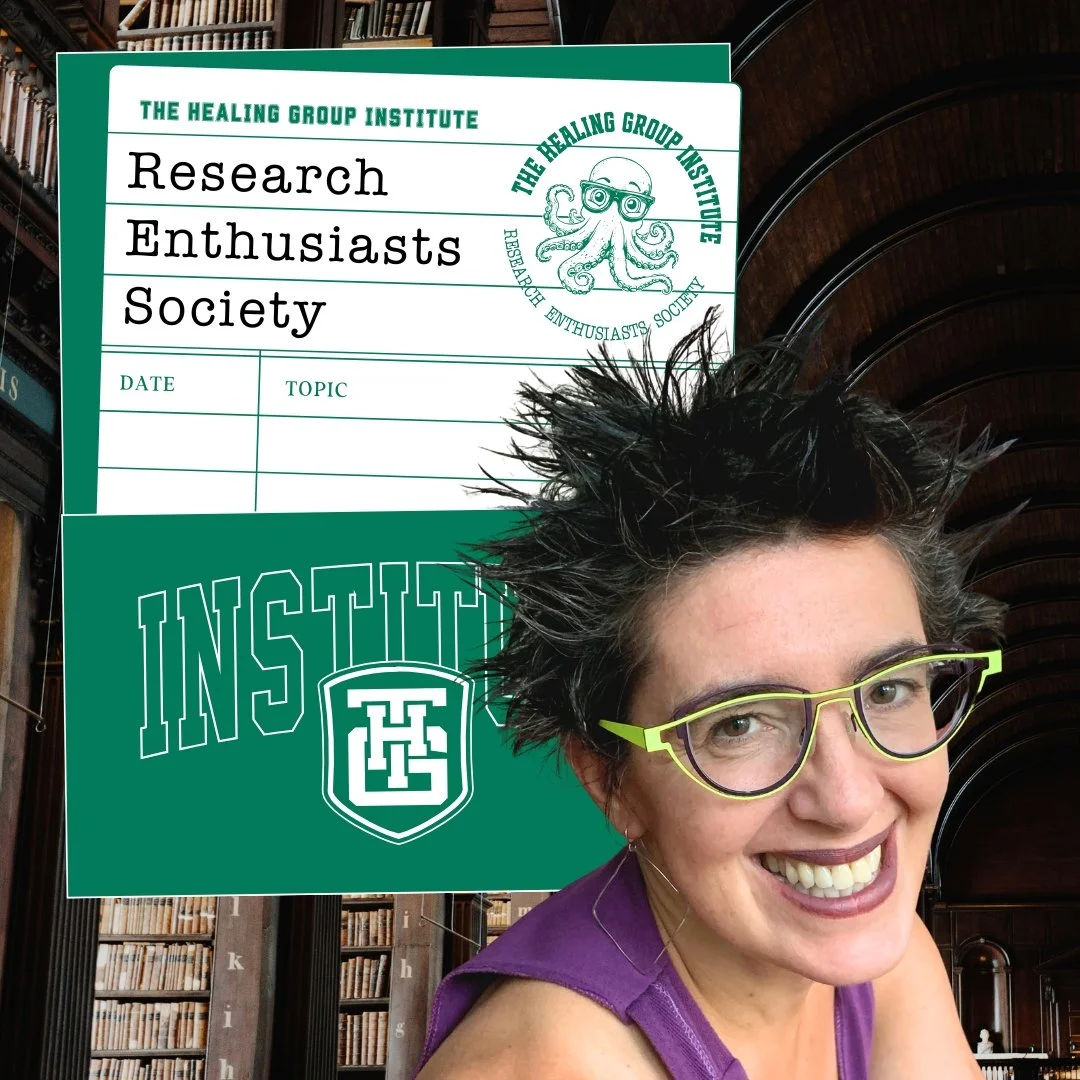
Presenter: Anna Kate Marsh, MA, CMHC
Date: September 3, 2026 | 7:00 PM MDT
Format: Live, synchronous webinar | 2 hours
Content Level: Foundational/Introductory
Target Audience: Clinical Mental Health Providers, Medical Providers, Health Providers
CE Credits: 2 continuing education credits
Certificates Available: ASWB/ACE, AASECT, THGI
Course Description
This presentation explores the role of mental health in the treatment and rehabilitation of individuals convicted of sexual offenses. Participants will examine the relationship between common mental health concerns, emotional regulation, cognitive functioning, and offense-specific treatment.
The session highlights how addressing mental health needs can enhance treatment engagement, support healthy coping strategies, and contribute to positive behavioral change and reduced risk of reoffending. Attendees will leave with a clearer understanding of state-approved assessment and treatment approaches and the clinical distinctions that inform risk-appropriate care within this specialized population.
Learning Objectives
At the conclusion of this training, attendees will be able to:
Identify state approved assessments and treatment methods for individuals convicted of sexual offenses.
Differentiate between "contact" and "non-contact" offenses and various levels of risk in sexual offending populations.
Explain and educate others on common myths and misconceptions related to sexual offending populations.
Limitations, Risks, & Benefits
This training presents a limited amount of information and is not intended to be comprehensive; clinicians who desire additional depth are encouraged to seek out supplemental resources and peer-reviewed literature on this topic. The training is delivered via an online platform, and there are no anticipated risks beyond those typically associated with online learning environments; however, participants may encounter discomfort as they explore sensitive topics or are asked to challenge existing beliefs and practices. The evidence base for this training's content may have limitations in generalizability across diverse populations, cultures, or practice settings. Benefits include an increased ability to understand the subject matter presented and to apply this knowledge in professional practice, within a training that promotes compassionate, inclusive care and reduces discomfort when addressing topics related to diversity, cultural differences, and individual role differences.
Cultural Sensitivity
This training incorporates case examples, scenarios, and discussion that reflect diverse populations and lived experiences, and addresses how systemic inequities and social determinants of health may impact the populations served by participants, including disparities in access to mental health services and their impact on underserved or marginalized populations. Content addresses how implicit bias may affect clinical decision-making, assessment, diagnosis, or treatment planning, and examines the intersection of multiple identity factors and how they may compound experiences of discrimination, trauma, or barriers to care. The training supports participants in building skills to engage in culturally humble and ongoing self-reflective practice, and addresses ethical responsibilities related to nondiscrimination and equitable service delivery as outlined in social work and mental health codes of ethics.
Course Content
This training presents foundational and introductory-level content on the topic discussed, delivered through lecture and didactic instruction with dedicated question and answer time with the presenter. The session covers evidence-based assessment and intervention methods relevant to the treatment of individuals who have sexually offended, along with the ethical, legal, statutory, and regulatory standards that govern this area of practice. Content addresses trauma-informed approaches and their application in practice, as well as documentation, risk management, and legal and ethical decision-making relevant to this specialized population.
Relevance
This training is relevant to professionals across mental health disciplines, including licensed social workers, psychologists, licensed professional counselors, and marriage and family therapists. It addresses content directly applicable to both clinical and nonclinical social work practice, including assessment, intervention, treatment planning, case management, and advocacy, and builds on foundational knowledge gained through a graduate-level degree in social work, psychology, counseling, or a related mental health field. The training covers legal, statutory, and regulatory policies affecting practice with this population, and addresses content related to psychological assessment and intervention methods supported by current peer-reviewed evidence, human behavior and the social environment, and the development and implementation of social policy affecting the populations served. It further addresses diversity, equity, inclusion, and social justice considerations; professional relationships, boundaries, and clinical consultation; risk management, liability, and documentation practices; and trauma-informed care. Content is directly relevant to work with specific populations, including children and families, older adults, individuals with disabilities, and those experiencing substance use or mental health challenges, and reflects current peer-reviewed research and best practices, helping participants navigate the intersection of mental health practice with legal, medical, and other systems.
About the Presenter
Anna Kate Marsh, MA, CMHC, is a clinical mental health counselor with Upper Room Counseling in Salt Lake City, Utah, where her work focuses on crisis intervention, child and adolescent therapy, and the treatment of sexual trauma and addiction, including service as a Certified Sex Offender Treatment Provider. She holds a Master's degree in Counseling from Concordia University Irvine and draws on trauma-informed, narrative-focused approaches to help clients find healing across body, mind, and relationships. With extensive experience working with children and complex trauma histories, Anna Kate brings a compassionate, evidence-based perspective to her work with individuals and families navigating some of the most sensitive challenges in mental health treatment.
Course Details
Delivery method: Live webinar via the Institute learning platform
Course interactivity: Lecture and didactic instruction with live Q&A
Posttest/quiz: Because this is a live course, a standard posttest is not required. Participation will be monitored throughout the session.
Certificate issuance: Certificates of credit will be issued immediately after course completion to participants who attend the full session and complete the course evaluation.
Contact for questions: institute@thehealinggroup.com
Accessibility accommodations: To request accessibility accommodations, please contact institute@thehealinggroup.com prior to the event. We are committed to making our trainings accessible to all participants.
Registration
Register online at thehealinggroupinstitute.com. Refunds are not available. Full refund and cancellation policy is available on the website.
Commercial Support & Conflict of Interest Disclosure
No commercial entity has provided funding or support for this course. Anna Kate Marsh has no relevant conflicts of interest to disclose.
ASWB ACE Statement:
The Healing Group Institute, provider number 2716, is approved as an ACE provider to offer social work continuing education by the Association of Social Work Boards (ASWB) Approved Continuing Education (ACE) program. Regulatory boards are the final authority on courses accepted for continuing education credit. ACE provider approval period: 3/31/26 – 3/31/27. Social workers completing this course receive 2 continuing education credits.
AASECT CKA:
E. Intimacy skills (e.g., social, emotional, sexual), intimate relationships, interpersonal relationships and family dynamics.
J. Sexual exploitation including sexual abuse, sexual harassment and sexual assault.
O. Professional communication and personal reflection skills.
AASECT ST:
E. Principles of consultation, collaboration, and referral.
F. Ethical decision-making and best practice.
This program meets the requirements of the American Association of Sexuality Educators, Counselors and Therapists (AASECT) and is approved for CE credits. These CE credits may be applied toward AASECT certification and renewal of certification. Completion of this program does not ensure or guarantee AASECT certification. For further information please contact info@aasect.org.
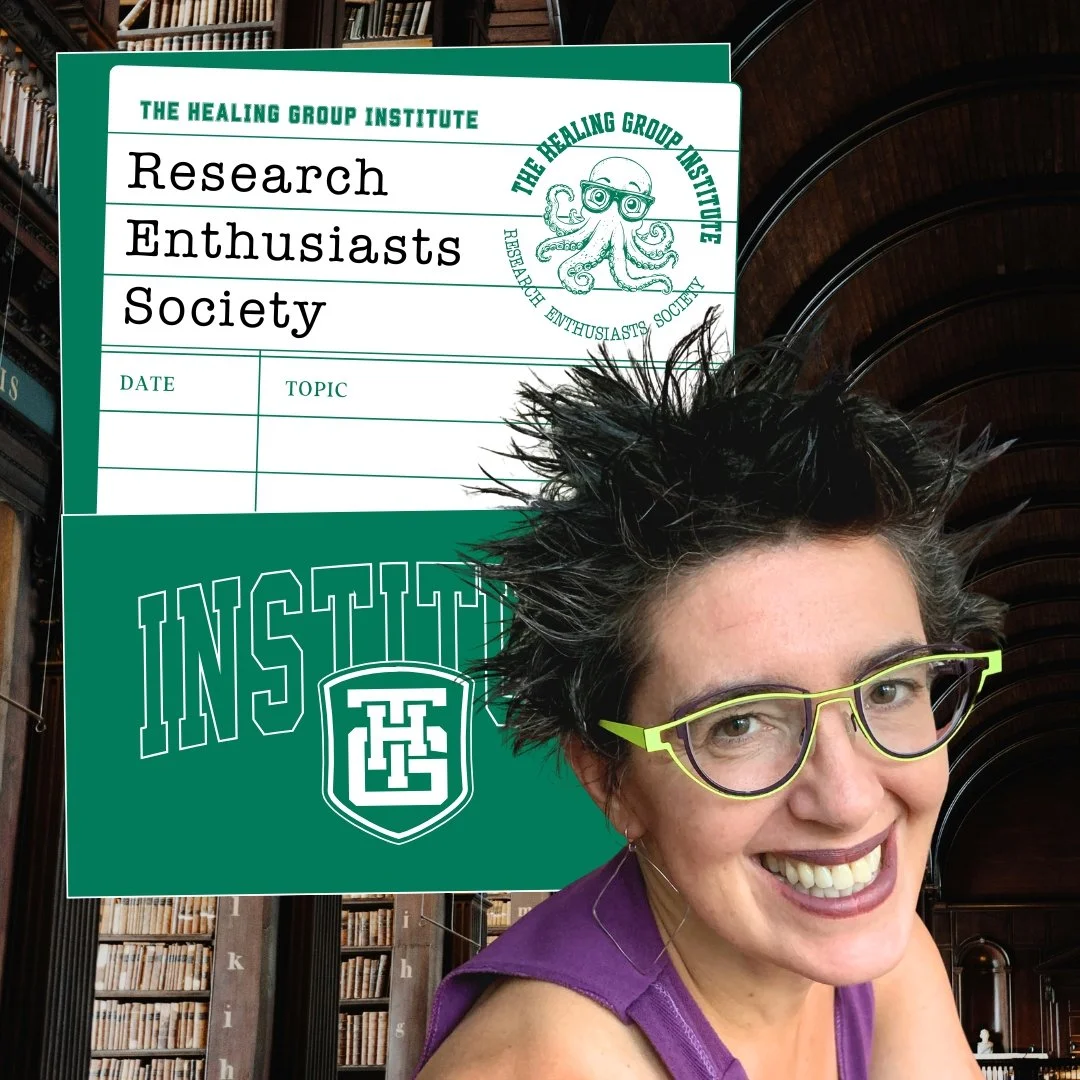
Presenter: Anna Kate Marsh, MA, CMHC
Date: September 3, 2026 | 7:00 PM MDT
Format: Live, synchronous webinar | 2 hours
Content Level: Foundational/Introductory
Target Audience: Clinical Mental Health Providers, Medical Providers, Health Providers
CE Credits: 2 continuing education credits
Certificates Available: ASWB/ACE, AASECT, THGI
Course Description
This presentation explores the role of mental health in the treatment and rehabilitation of individuals convicted of sexual offenses. Participants will examine the relationship between common mental health concerns, emotional regulation, cognitive functioning, and offense-specific treatment.
The session highlights how addressing mental health needs can enhance treatment engagement, support healthy coping strategies, and contribute to positive behavioral change and reduced risk of reoffending. Attendees will leave with a clearer understanding of state-approved assessment and treatment approaches and the clinical distinctions that inform risk-appropriate care within this specialized population.
Learning Objectives
At the conclusion of this training, attendees will be able to:
Identify state approved assessments and treatment methods for individuals convicted of sexual offenses.
Differentiate between "contact" and "non-contact" offenses and various levels of risk in sexual offending populations.
Explain and educate others on common myths and misconceptions related to sexual offending populations.
Limitations, Risks, & Benefits
This training presents a limited amount of information and is not intended to be comprehensive; clinicians who desire additional depth are encouraged to seek out supplemental resources and peer-reviewed literature on this topic. The training is delivered via an online platform, and there are no anticipated risks beyond those typically associated with online learning environments; however, participants may encounter discomfort as they explore sensitive topics or are asked to challenge existing beliefs and practices. The evidence base for this training's content may have limitations in generalizability across diverse populations, cultures, or practice settings. Benefits include an increased ability to understand the subject matter presented and to apply this knowledge in professional practice, within a training that promotes compassionate, inclusive care and reduces discomfort when addressing topics related to diversity, cultural differences, and individual role differences.
Cultural Sensitivity
This training incorporates case examples, scenarios, and discussion that reflect diverse populations and lived experiences, and addresses how systemic inequities and social determinants of health may impact the populations served by participants, including disparities in access to mental health services and their impact on underserved or marginalized populations. Content addresses how implicit bias may affect clinical decision-making, assessment, diagnosis, or treatment planning, and examines the intersection of multiple identity factors and how they may compound experiences of discrimination, trauma, or barriers to care. The training supports participants in building skills to engage in culturally humble and ongoing self-reflective practice, and addresses ethical responsibilities related to nondiscrimination and equitable service delivery as outlined in social work and mental health codes of ethics.
Course Content
This training presents foundational and introductory-level content on the topic discussed, delivered through lecture and didactic instruction with dedicated question and answer time with the presenter. The session covers evidence-based assessment and intervention methods relevant to the treatment of individuals who have sexually offended, along with the ethical, legal, statutory, and regulatory standards that govern this area of practice. Content addresses trauma-informed approaches and their application in practice, as well as documentation, risk management, and legal and ethical decision-making relevant to this specialized population.
Relevance
This training is relevant to professionals across mental health disciplines, including licensed social workers, psychologists, licensed professional counselors, and marriage and family therapists. It addresses content directly applicable to both clinical and nonclinical social work practice, including assessment, intervention, treatment planning, case management, and advocacy, and builds on foundational knowledge gained through a graduate-level degree in social work, psychology, counseling, or a related mental health field. The training covers legal, statutory, and regulatory policies affecting practice with this population, and addresses content related to psychological assessment and intervention methods supported by current peer-reviewed evidence, human behavior and the social environment, and the development and implementation of social policy affecting the populations served. It further addresses diversity, equity, inclusion, and social justice considerations; professional relationships, boundaries, and clinical consultation; risk management, liability, and documentation practices; and trauma-informed care. Content is directly relevant to work with specific populations, including children and families, older adults, individuals with disabilities, and those experiencing substance use or mental health challenges, and reflects current peer-reviewed research and best practices, helping participants navigate the intersection of mental health practice with legal, medical, and other systems.
About the Presenter
Anna Kate Marsh, MA, CMHC, is a clinical mental health counselor with Upper Room Counseling in Salt Lake City, Utah, where her work focuses on crisis intervention, child and adolescent therapy, and the treatment of sexual trauma and addiction, including service as a Certified Sex Offender Treatment Provider. She holds a Master's degree in Counseling from Concordia University Irvine and draws on trauma-informed, narrative-focused approaches to help clients find healing across body, mind, and relationships. With extensive experience working with children and complex trauma histories, Anna Kate brings a compassionate, evidence-based perspective to her work with individuals and families navigating some of the most sensitive challenges in mental health treatment.
Course Details
Delivery method: Live webinar via the Institute learning platform
Course interactivity: Lecture and didactic instruction with live Q&A
Posttest/quiz: Because this is a live course, a standard posttest is not required. Participation will be monitored throughout the session.
Certificate issuance: Certificates of credit will be issued immediately after course completion to participants who attend the full session and complete the course evaluation.
Contact for questions: institute@thehealinggroup.com
Accessibility accommodations: To request accessibility accommodations, please contact institute@thehealinggroup.com prior to the event. We are committed to making our trainings accessible to all participants.
Registration
Register online at thehealinggroupinstitute.com. Refunds are not available. Full refund and cancellation policy is available on the website.
Commercial Support & Conflict of Interest Disclosure
No commercial entity has provided funding or support for this course. Anna Kate Marsh has no relevant conflicts of interest to disclose.
ASWB ACE Statement:
The Healing Group Institute, provider number 2716, is approved as an ACE provider to offer social work continuing education by the Association of Social Work Boards (ASWB) Approved Continuing Education (ACE) program. Regulatory boards are the final authority on courses accepted for continuing education credit. ACE provider approval period: 3/31/26 – 3/31/27. Social workers completing this course receive 2 continuing education credits.
AASECT CKA:
E. Intimacy skills (e.g., social, emotional, sexual), intimate relationships, interpersonal relationships and family dynamics.
J. Sexual exploitation including sexual abuse, sexual harassment and sexual assault.
O. Professional communication and personal reflection skills.
AASECT ST:
E. Principles of consultation, collaboration, and referral.
F. Ethical decision-making and best practice.
This program meets the requirements of the American Association of Sexuality Educators, Counselors and Therapists (AASECT) and is approved for CE credits. These CE credits may be applied toward AASECT certification and renewal of certification. Completion of this program does not ensure or guarantee AASECT certification. For further information please contact info@aasect.org.