
 Image 1 of 1
Natural Modes of Healing: The Psychobiology of Nature, Movement, Rhythm, and Connection
Natural Modes of Healing: The Psychobiology of Nature, Movement, Rhythm, and Connection
Presenter: Dr. Lisa Diamond
Date: May 26, 2026 | 2:00 PM MST
Format: Live, interactive synchronous webinar | 1 hour
Content Level: Beginner
Target Audience: Clinical Mental Health Providers
CE Credits: 1 continuing education credit
Course Description
What if some of the most powerful tools for healing are also the most accessible — a walk in nature, rhythmic movement, time with an animal, or shared play? This one-hour live webinar examines the psychobiological foundations of natural and accessible modes of healing, drawing on interdisciplinary research from psychology, neuroscience, anthropology, and developmental science to make the case that these experiences are not merely adjunctive or recreational, but constitute legitimate, evolutionarily grounded mechanisms of self-regulation and healing.
Through expert-led instruction, guided discussion, and experiential reflection, participants will explore how nature exposure, movement, rhythmic activity, animal-assisted experiences, play, and shared social connection regulate the nervous system, promote resilience, and support emotional wellbeing — particularly during periods of collective stress, loss, and limited access to formal healthcare services. The course reviews evidence demonstrating how practices such as walking, awe-based experiences, and human-animal interaction support nervous system regulation, and equips clinicians with practical strategies for integrating these approaches into therapeutic work and daily life.
Throughout, the training emphasizes flexibility and client-centered integration, recognizing individual differences in accessibility, preference, and neurodiversity — and encouraging clinicians to reflect on how race, gender, disability, socioeconomic status, and cultural norms shape both stress and healing practices.
This training is grounded in the core social work values of dignity and worth, the importance of human relationships, and a commitment to social justice — affirming that equitable access to non-clinical modes of care is both a clinical and a social justice imperative.
Learning Objectives
At the conclusion of this training, participants will be able to:
Describe the psychobiological mechanisms through which nature exposure, movement, rhythm, and human-animal interaction support nervous system regulation and emotional wellbeing.
Explain how evolutionarily grounded healing practices such as walking, rhythmic movement, play, and experiences of awe function as accessible, non-clinical modes of healing across diverse populations.
Identify and apply practical strategies for integrating natural modes of healing into therapeutic work and daily life, with attention to individual differences, accessibility needs, and neurodivergent experiences.
Limitations, Risks, & Benefits
This online training presents foundational information intended to introduce participants to psychobiological mechanisms of natural healing; those seeking advanced specialization are encouraged to pursue additional training. The virtual format may limit certain aspects of in-person interactivity. No significant risks are anticipated, though participants may experience mild discomfort as they reflect on assumptions, worldview, or emotionally resonant material related to stress, loss, and healing. Benefits include increased understanding of the subject matter, enhanced ability to translate research into clinical and personal practice, greater confidence in integrating accessible healing strategies, and improved capacity to provide compassionate, inclusive, and grounded care.
About the Presenter
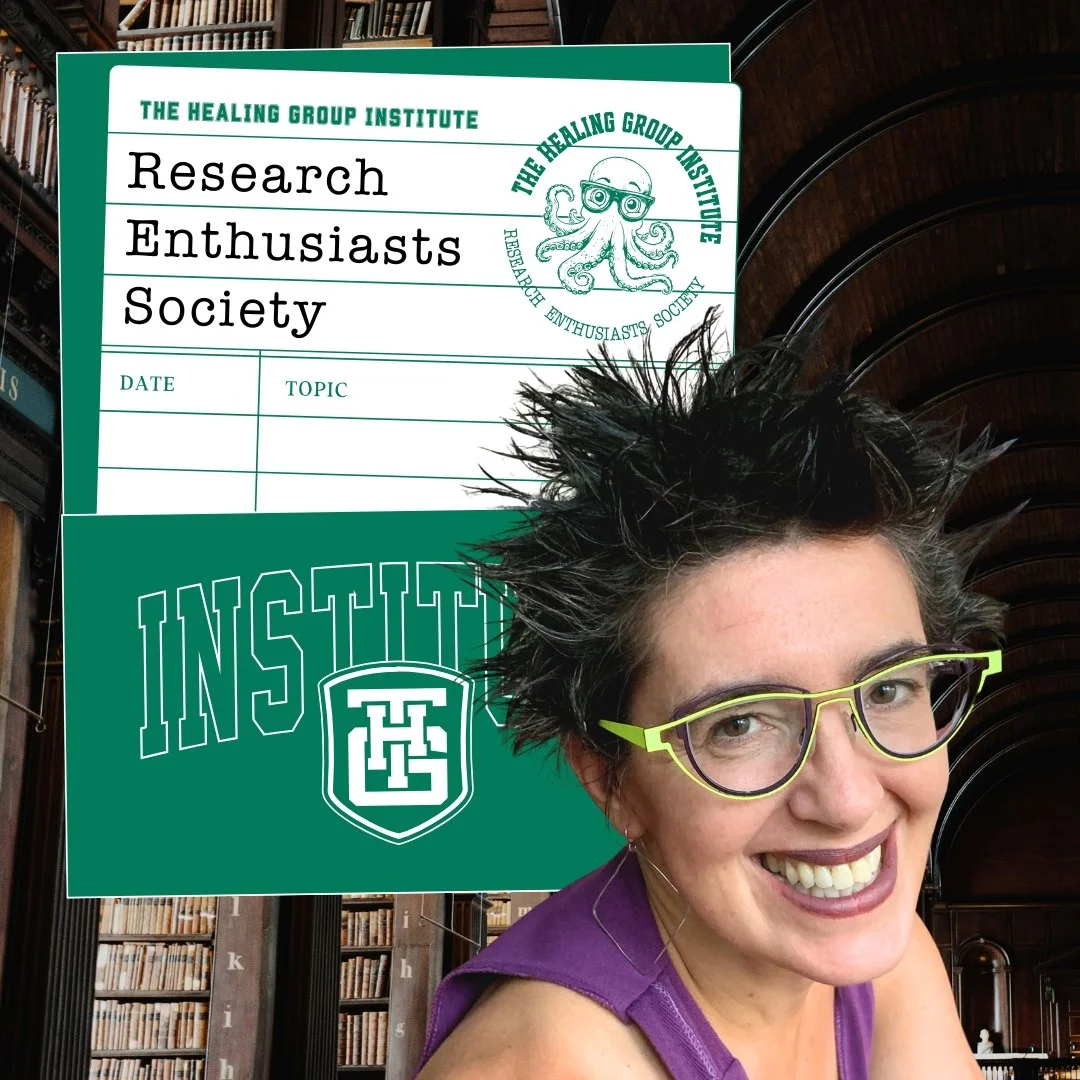
Dr. Lisa Diamond is a professor of Psychology and Gender Studies at the University of Utah, where she has worked since 1999. Her research focuses on mental health among LGBTQ+ populations, sexual and gender identity across the life course, sexual and gender fluidity, and childhood and adolescent trauma exposure — including religious trauma — among LGBTQ+ individuals. Dr. Diamond collaborates frequently with clinicians and brings a research-informed perspective that emphasizes the critical role of social safety and unconditional belonging on the health of marginalized populations.
Course Details
Delivery method: Live interactive webinar via the Institute learning platform
Course interactivity: Interactive — participants will engage in guided discussion, experiential reflection, and Q&A
Posttest/quiz: Because this is a live interactive course, a standard posttest is not required. Participation will be monitored throughout the session.
Certificate issuance: Certificates of credit will be issued immediately after course completion to participants who attend the full session and complete the course evaluation.
Contact for questions: institute@thehealinggroup.com
Accessibility accommodations: To request accessibility accommodations, please contact institute@thehealinggroup.com prior to the event. We are committed to making our trainings accessible to all participants.
ASWB ACE Statement:
The Healing Group Institute, provider number 2716, is approved as an ACE provider to offer social work continuing education by the Association of Social Work Boards (ASWB) Approved Continuing Education (ACE) program. Regulatory boards are the final authority on courses accepted for continuing education credit. ACE provider approval period: 3/31/26 – 3/31/27. Social workers completing this course receive 1 continuing education credit.
AASECT CKA:
B. Developmental sexuality from a bio-psycho-social perspective across the life course.
C. Socio-cultural, familial factors (e.g., ethnicity, culture, religion, spirituality, socioeconomic status, family values) in relation to sexual values and behaviors.
H. Health/medical factors that may influence sexuality, including illness, disability, drugs, mental health, conception, pregnancy, childbirth, pregnancy termination, contraception, fertility, HIV/AIDS, sexually transmitted infection, other infections, sexual trauma, injury, and safer sex practices.
O. Professional communication and personal reflection skills.
AASECT ST:
A. Theory and methods of sex-related psychotherapy, including several different models.
This presentation has been reviewed by Kristin Hodson, LCSW, CST, CSTS to ensure it meets AASECT standards.
Natural Modes of Healing: The Psychobiology of Nature, Movement, Rhythm, and Connection
Presenter: Dr. Lisa Diamond
Date: May 26, 2026 | 2:00 PM MST
Format: Live, interactive synchronous webinar | 1 hour
Content Level: Beginner
Target Audience: Clinical Mental Health Providers
CE Credits: 1 continuing education credit
Course Description
What if some of the most powerful tools for healing are also the most accessible — a walk in nature, rhythmic movement, time with an animal, or shared play? This one-hour live webinar examines the psychobiological foundations of natural and accessible modes of healing, drawing on interdisciplinary research from psychology, neuroscience, anthropology, and developmental science to make the case that these experiences are not merely adjunctive or recreational, but constitute legitimate, evolutionarily grounded mechanisms of self-regulation and healing.
Through expert-led instruction, guided discussion, and experiential reflection, participants will explore how nature exposure, movement, rhythmic activity, animal-assisted experiences, play, and shared social connection regulate the nervous system, promote resilience, and support emotional wellbeing — particularly during periods of collective stress, loss, and limited access to formal healthcare services. The course reviews evidence demonstrating how practices such as walking, awe-based experiences, and human-animal interaction support nervous system regulation, and equips clinicians with practical strategies for integrating these approaches into therapeutic work and daily life.
Throughout, the training emphasizes flexibility and client-centered integration, recognizing individual differences in accessibility, preference, and neurodiversity — and encouraging clinicians to reflect on how race, gender, disability, socioeconomic status, and cultural norms shape both stress and healing practices.
This training is grounded in the core social work values of dignity and worth, the importance of human relationships, and a commitment to social justice — affirming that equitable access to non-clinical modes of care is both a clinical and a social justice imperative.
Learning Objectives
At the conclusion of this training, participants will be able to:
Describe the psychobiological mechanisms through which nature exposure, movement, rhythm, and human-animal interaction support nervous system regulation and emotional wellbeing.
Explain how evolutionarily grounded healing practices such as walking, rhythmic movement, play, and experiences of awe function as accessible, non-clinical modes of healing across diverse populations.
Identify and apply practical strategies for integrating natural modes of healing into therapeutic work and daily life, with attention to individual differences, accessibility needs, and neurodivergent experiences.
Limitations, Risks, & Benefits
This online training presents foundational information intended to introduce participants to psychobiological mechanisms of natural healing; those seeking advanced specialization are encouraged to pursue additional training. The virtual format may limit certain aspects of in-person interactivity. No significant risks are anticipated, though participants may experience mild discomfort as they reflect on assumptions, worldview, or emotionally resonant material related to stress, loss, and healing. Benefits include increased understanding of the subject matter, enhanced ability to translate research into clinical and personal practice, greater confidence in integrating accessible healing strategies, and improved capacity to provide compassionate, inclusive, and grounded care.
About the Presenter
Dr. Lisa Diamond is a professor of Psychology and Gender Studies at the University of Utah, where she has worked since 1999. Her research focuses on mental health among LGBTQ+ populations, sexual and gender identity across the life course, sexual and gender fluidity, and childhood and adolescent trauma exposure — including religious trauma — among LGBTQ+ individuals. Dr. Diamond collaborates frequently with clinicians and brings a research-informed perspective that emphasizes the critical role of social safety and unconditional belonging on the health of marginalized populations.
Course Details
Delivery method: Live interactive webinar via the Institute learning platform
Course interactivity: Interactive — participants will engage in guided discussion, experiential reflection, and Q&A
Posttest/quiz: Because this is a live interactive course, a standard posttest is not required. Participation will be monitored throughout the session.
Certificate issuance: Certificates of credit will be issued immediately after course completion to participants who attend the full session and complete the course evaluation.
Contact for questions: institute@thehealinggroup.com
Accessibility accommodations: To request accessibility accommodations, please contact institute@thehealinggroup.com prior to the event. We are committed to making our trainings accessible to all participants.
ASWB ACE Statement:
The Healing Group Institute, provider number 2716, is approved as an ACE provider to offer social work continuing education by the Association of Social Work Boards (ASWB) Approved Continuing Education (ACE) program. Regulatory boards are the final authority on courses accepted for continuing education credit. ACE provider approval period: 3/31/26 – 3/31/27. Social workers completing this course receive 1 continuing education credit.
AASECT CKA:
B. Developmental sexuality from a bio-psycho-social perspective across the life course.
C. Socio-cultural, familial factors (e.g., ethnicity, culture, religion, spirituality, socioeconomic status, family values) in relation to sexual values and behaviors.
H. Health/medical factors that may influence sexuality, including illness, disability, drugs, mental health, conception, pregnancy, childbirth, pregnancy termination, contraception, fertility, HIV/AIDS, sexually transmitted infection, other infections, sexual trauma, injury, and safer sex practices.
O. Professional communication and personal reflection skills.
AASECT ST:
A. Theory and methods of sex-related psychotherapy, including several different models.
This presentation has been reviewed by Kristin Hodson, LCSW, CST, CSTS to ensure it meets AASECT standards.