 Image 1 of 1
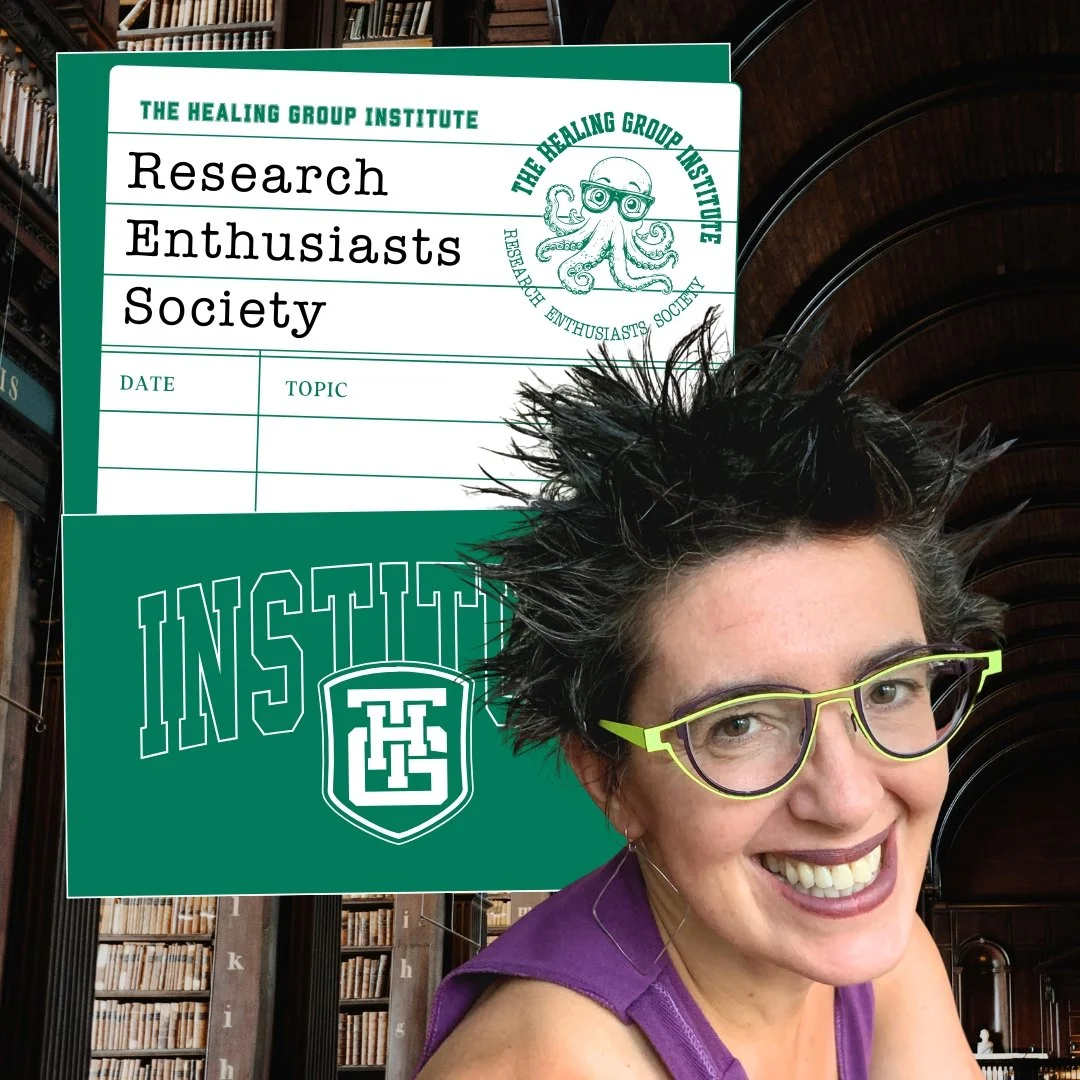
Presenter: Cerissa Hayhurst, LCSW
Date: September 10, 2026 | 12:00 PM MST
Format: Live, synchronous webinar | 1 hour
Content Level: Intermediate
Target Audience: Clinical mental health providers
CE Credits: 1 ASWB ACE continuing education credit
Certificates Available: ASWB/NASW, THGI
Exposure and Response Prevention (ERP) is the preferred, evidence-based treatment for Obsessive-Compulsive Disorder (OCD), but not every clinician working with perinatal clients is ERP-trained. This training explores what providers can do when ERP is not an option in the room. Attendees will learn what ERP is and why it remains the gold standard, review alternative modalities and interventions that can be used with clients experiencing OCD, and identify stabilizing supports and strategies for reducing maintaining factors in the perinatal population.
At the conclusion of this training, attendees will be able to:
● Explain what ERP treatment is and why it is the preferred treatment for OCD.
● Identify other modalities and interventions that can be used with clients with OCD.
● Implement stabilizing supports and reduction of maintaining factors with clients.
This training will present a limited amount of information. Clinicians who desire additional information are encouraged to seek out supplemental resources and peer-reviewed literature on this topic. This training will be delivered via an online platform, and there are no anticipated risks beyond those typically associated with online learning environments; role-play and interactive discussions could feel vulnerable for some attendees. Some content presented in this training is based on emerging research and has not yet reached full consensus in the peer-reviewed scientific literature, and the content reflects information available at the time of its development, so practitioners are encouraged to stay current with evolving research and regulatory standards. This training contains content related to potential risks of the interventions or assessment methods discussed; the most severe and most common risks will be identified.
Benefits include an increase in ability to understand more about the subject presented and the application of this knowledge in professional practice. Attendees will gain foundational knowledge and practical skills around the topics discussed that build upon their existing training. This training promotes compassionate, inclusive care and reduces discomfort when addressing topics related to diversity, cultural differences, and individual role differences, and it supports participants in maintaining and developing professional competencies in order to improve services to the public.
This training addresses how implicit bias may affect clinical decision-making, assessment, diagnosis, or treatment planning, as well as disparities in access to mental health services and their impact on underserved or marginalized populations. It promotes the use of inclusive, affirming, and non-stigmatizing language when working with diverse populations.
This training presents intermediate level content that builds upon existing knowledge and practical experience. It covers evidence-based intervention or treatment methods relevant to the topic discussed, along with current research and peer-reviewed literature. The training incorporates lecture and didactic instruction, as well as question and answer sessions with the presenter.
This training addresses content that is directly applicable to social work clinical practice, including assessment, intervention, or treatment planning, and builds upon foundational knowledge gained through a completed graduate-level degree in social work, psychology, counseling, or a related mental health field. It addresses content related to psychological assessment and/or intervention methods that are supported by current peer-reviewed scientific evidence, as well as human behavior and the social environment, including theories and concepts relevant to direct practice. This training also addresses content related to social work or mental health research, program evaluation, or evidence-based practice, and to trauma-informed care and its application across social work and mental health practice settings. It reflects current peer-reviewed research and best practices within the social work and mental health professions.
Cerissa's background began in the world of public health, with a specific focus on women's health and education to be a doula. She found the world of social work via drug and alcohol treatment. Cerissa's experiences have allowed her to work with a variety of needs and diagnoses, ranging from maternal mental health, to psychosis, and substance use disorders. Cerissa is certified in trauma-informed care, Motivational Interviewing, and trained in EMDR.
Delivery method: Live webinar via the Institute learning platform
Course interactivity: Lecture and didactic instruction with live Q&A
Posttest/quiz: Because this is a live course, a standard posttest is not required. Participation will be monitored throughout the session.
Certificate issuance: Certificates of credit will be issued immediately after course completion to participants who attend the full session and complete the course evaluation.
Contact for questions: institute@thehealinggroup.com
Accessibility accommodations: To request accessibility accommodations, please contact institute@thehealinggroup.com prior to the event. We are committed to making our trainings accessible to all participants.
Register online at thehealinggroupinstitute.com. Refunds are not available. Full refund and cancellation policy is available on the website.
No commercial entity has provided funding or support for this course. Cerissa Hayhurst, LCSW has no relevant conflicts of interest to disclose.
The Healing Group Institute, provider number 2716, is approved as an ACE provider to offer social work continuing education by the Association of Social Work Boards (ASWB) Approved Continuing Education (ACE) program. Regulatory boards are the final authority on courses accepted for continuing education credit. ACE provider approval period: 3/31/26 – 3/31/27. Social workers completing this course receive 1 continuing education credit.
This course is not eligible for AASECT continuing education credit.
Presenter: Cerissa Hayhurst, LCSW
Date: September 10, 2026 | 12:00 PM MST
Format: Live, synchronous webinar | 1 hour
Content Level: Intermediate
Target Audience: Clinical mental health providers
CE Credits: 1 ASWB ACE continuing education credit
Certificates Available: ASWB/NASW, THGI
Exposure and Response Prevention (ERP) is the preferred, evidence-based treatment for Obsessive-Compulsive Disorder (OCD), but not every clinician working with perinatal clients is ERP-trained. This training explores what providers can do when ERP is not an option in the room. Attendees will learn what ERP is and why it remains the gold standard, review alternative modalities and interventions that can be used with clients experiencing OCD, and identify stabilizing supports and strategies for reducing maintaining factors in the perinatal population.
At the conclusion of this training, attendees will be able to:
● Explain what ERP treatment is and why it is the preferred treatment for OCD.
● Identify other modalities and interventions that can be used with clients with OCD.
● Implement stabilizing supports and reduction of maintaining factors with clients.
This training will present a limited amount of information. Clinicians who desire additional information are encouraged to seek out supplemental resources and peer-reviewed literature on this topic. This training will be delivered via an online platform, and there are no anticipated risks beyond those typically associated with online learning environments; role-play and interactive discussions could feel vulnerable for some attendees. Some content presented in this training is based on emerging research and has not yet reached full consensus in the peer-reviewed scientific literature, and the content reflects information available at the time of its development, so practitioners are encouraged to stay current with evolving research and regulatory standards. This training contains content related to potential risks of the interventions or assessment methods discussed; the most severe and most common risks will be identified.
Benefits include an increase in ability to understand more about the subject presented and the application of this knowledge in professional practice. Attendees will gain foundational knowledge and practical skills around the topics discussed that build upon their existing training. This training promotes compassionate, inclusive care and reduces discomfort when addressing topics related to diversity, cultural differences, and individual role differences, and it supports participants in maintaining and developing professional competencies in order to improve services to the public.
This training addresses how implicit bias may affect clinical decision-making, assessment, diagnosis, or treatment planning, as well as disparities in access to mental health services and their impact on underserved or marginalized populations. It promotes the use of inclusive, affirming, and non-stigmatizing language when working with diverse populations.
This training presents intermediate level content that builds upon existing knowledge and practical experience. It covers evidence-based intervention or treatment methods relevant to the topic discussed, along with current research and peer-reviewed literature. The training incorporates lecture and didactic instruction, as well as question and answer sessions with the presenter.
This training addresses content that is directly applicable to social work clinical practice, including assessment, intervention, or treatment planning, and builds upon foundational knowledge gained through a completed graduate-level degree in social work, psychology, counseling, or a related mental health field. It addresses content related to psychological assessment and/or intervention methods that are supported by current peer-reviewed scientific evidence, as well as human behavior and the social environment, including theories and concepts relevant to direct practice. This training also addresses content related to social work or mental health research, program evaluation, or evidence-based practice, and to trauma-informed care and its application across social work and mental health practice settings. It reflects current peer-reviewed research and best practices within the social work and mental health professions.
Cerissa's background began in the world of public health, with a specific focus on women's health and education to be a doula. She found the world of social work via drug and alcohol treatment. Cerissa's experiences have allowed her to work with a variety of needs and diagnoses, ranging from maternal mental health, to psychosis, and substance use disorders. Cerissa is certified in trauma-informed care, Motivational Interviewing, and trained in EMDR.
Delivery method: Live webinar via the Institute learning platform
Course interactivity: Lecture and didactic instruction with live Q&A
Posttest/quiz: Because this is a live course, a standard posttest is not required. Participation will be monitored throughout the session.
Certificate issuance: Certificates of credit will be issued immediately after course completion to participants who attend the full session and complete the course evaluation.
Contact for questions: institute@thehealinggroup.com
Accessibility accommodations: To request accessibility accommodations, please contact institute@thehealinggroup.com prior to the event. We are committed to making our trainings accessible to all participants.
Register online at thehealinggroupinstitute.com. Refunds are not available. Full refund and cancellation policy is available on the website.
No commercial entity has provided funding or support for this course. Cerissa Hayhurst, LCSW has no relevant conflicts of interest to disclose.
The Healing Group Institute, provider number 2716, is approved as an ACE provider to offer social work continuing education by the Association of Social Work Boards (ASWB) Approved Continuing Education (ACE) program. Regulatory boards are the final authority on courses accepted for continuing education credit. ACE provider approval period: 3/31/26 – 3/31/27. Social workers completing this course receive 1 continuing education credit.
This course is not eligible for AASECT continuing education credit.