 Image 1 of 1
State of the Science: Do We Have Sexual Orientations, or Sexual Configurations?
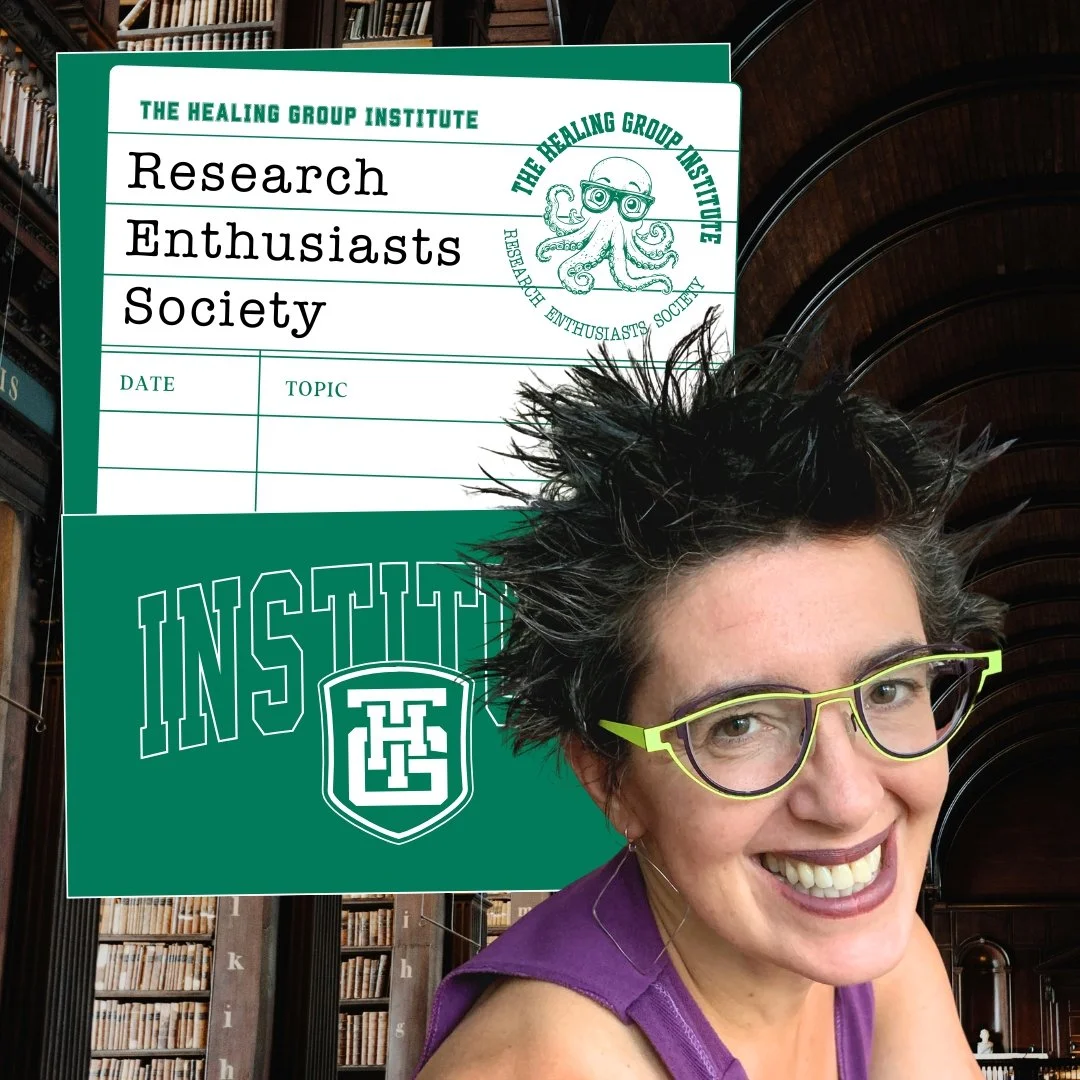
Presenter: Lisa Diamond, PhD
Date: December 22, 2026 | 2:00 PM MST
Format: Live, synchronous webinar | 1 hour
Content Level: Beginner
Target Audience: Clinical Mental Health Providers
CE Credits: 1 continuing education credit
Certificates Available: ASWB/ACE, AASECT, THGI
Course Description
Most of us are familiar with sexual orientation as a predisposition toward a particular gender — but a growing body of research suggests this framework captures only a fraction of the complexity of human sexuality. This one-hour live training introduces Sexual Configurations Theory, a compelling new framework proposed by acclaimed scholar Sari van Anders that invites clinicians and clients alike to move beyond the simplistic model of sexual orientation toward a richer, more nuanced understanding of sexual desire.
Rather than reducing sexuality to the gender patterning of attraction, Sexual Configurations Theory proposes that each person has multiple dynamic sexual biases relating to dimensions such as partner age, type of activity desired, relative importance of sexual versus emotional intimacy, solitary versus partnered activity, monogamy versus polyamory, and relative dominance and submission. These configurations collectively shape an individual's desires and behaviors, and may shift across the life course. Together, they offer a far more accurate and empowering portrait of human sexuality than any single orientation label can provide.
Through engaging lecture and facilitated discussion, Dr. Diamond will review Sexual Configurations Theory in accessible, common-sense language and explore how it can be used as a practical clinical tool — helping clients reflect on, articulate, and affirm the full configuration of their sexual desires across multiple dimensions. The training also addresses why some dimensions may feel more important or more stable than others, and how clinicians can use this framework to normalize variability, reduce shame, and support clients in developing a more complete and compassionate understanding of their own sexuality.
This training is grounded in the core social work values of dignity and worth, the importance of human relationships, and a commitment to social justice — affirming that expanding our clinical frameworks for understanding human sexuality is essential to providing truly inclusive, affirming, and empowering care.
Learning Objectives
At the conclusion of this training, attendees will be able to:
Describe the limitations of the conventional model of sexual orientation and explain why a focus exclusively on the gender patterning of sexual desire is insufficient for capturing the full complexity of human sexuality.
Explain the tenets of Sexual Configurations Theory as an alternative framework for understanding an individual's distinctive combination of multiple sexual biases, including dimensions such as monogamy and polyamory, dominance and submission, and solitary versus partnered activity.
Apply Sexual Configurations Theory in clinical practice by identifying strategies for empowering clients to reflect on and affirm their own configuration of sexual desire across multiple dimensions, and to understand and accept that some dimensions may be more important or more stable than others.
Limitations, Risks, & Benefits
This online training provides a focused, introductory overview of the subject matter and is not intended to be comprehensive; clinicians seeking more advanced knowledge are encouraged to pursue additional training and engage with the primary literature. Sexual Configurations Theory is an evolving framework, and the content reflects the state of the research at the time of this presentation. No significant risks are anticipated, though participants may have existing assumptions about sexual orientation and identity challenged in the process of engaging with the material. Benefits include increased scientific and conceptual literacy around models of human sexuality, enhanced ability to discuss sexual desire and identity with clients in more nuanced and empowering ways, and expanded clinical frameworks for supporting clients in understanding and affirming the full complexity of their own sexuality.
Cultural Sensitivity
This training explicitly addresses the influence of culture, religion, gender identity, sexual orientation, and social context on how individuals understand and experience their sexuality. Participants are invited to examine their own unconscious biases related to sexual orientation, relationship structure, and desire — including assumptions about what counts as a legitimate or stable sexual identity. The training recognizes that clients from diverse cultural, religious, and community backgrounds may bring very different frameworks for making sense of their desires, and that a more expansive model of sexuality can be particularly liberating for clients whose experiences have never fit neatly into conventional orientation categories. By presenting Sexual Configurations Theory in accessible language and discussing its clinical implications across diverse populations and practice settings, the training supports culturally humble, affirming practice and promotes the use of inclusive, non-stigmatizing language when exploring the full complexity of clients' sexual lives.
Course Content
This training presents Sexual Configurations Theory through engaging lecture and facilitated discussion led by Dr. Lisa Diamond, a leading researcher in human sexuality and gender identity. Drawing from current peer-reviewed literature and the foundational work of scholar Sari van Anders, the session reviews the limitations of the conventional sexual orientation model, introduces the core tenets of Sexual Configurations Theory in common-sense language, and explores how multiple dynamic sexual biases — spanning dimensions such as partner age, activity type, emotional versus sexual intimacy, solitary versus partnered activity, monogamy versus polyamory, and dominance and submission — collectively shape individual sexual desire and behavior across the life course. The training then turns to clinical application, offering practical guidance for using this framework as a tool to empower clients in understanding and affirming the full configuration of their sexuality. Interactive Q&A provides opportunities for participants to connect the material to their own clinical questions and client conversations.
Relevance
Sexual orientation labels are often inadequate — and clinicians regularly encounter clients whose desires, behaviors, and identities don't fit neatly into existing categories, leaving both client and provider without a satisfying framework for understanding what they're experiencing. Sexual Configurations Theory offers a powerful solution, providing a more accurate, flexible, and empowering model of human sexuality that honors complexity, variability, and change over the life course. By equipping mental health professionals with this framework and the language to apply it accessibly in clinical settings, this training supports affirming, evidence-based practice that helps clients move beyond shame and confusion toward greater self-understanding and self-acceptance. This aligns with the profession's commitment to cultural competence, client self-determination, and the ongoing development of clinical knowledge — equipping social workers, counselors, psychologists, and marriage and family therapists to engage with the full richness of human sexuality in a way that is both scientifically grounded and deeply humanizing.
About the Presenter
Lisa Diamond, PhD, is a professor of Psychology and Gender Studies at the University of Utah, where she has worked since 1999. Her research focuses on mental health among LGBTQ+ populations, sexual and gender identity across the life course, sexual and gender fluidity, and childhood and adolescent trauma exposure — including religious trauma — among LGBTQ+ individuals. Dr. Diamond collaborates frequently with clinicians and brings a research-informed perspective that emphasizes the critical role of social safety and unconditional belonging on the health of marginalized populations.
Course Details
Delivery method: Live webinar via the Institute learning platform
Course interactivity: Lecture and didactic instruction with live Q&A
Posttest/quiz: Because this is a live course, a standard posttest is not required. Participation will be monitored throughout the session.
Certificate issuance: Certificates of credit will be issued immediately after course completion to participants who attend the full session and complete the course evaluation.
Contact for questions: institute@thehealinggroup.com
Accessibility accommodations: To request accessibility accommodations, please contact institute@thehealinggroup.com prior to the event. We are committed to making our trainings accessible to all participants.
Registration
Register online at thehealinggroupinstitute.com. Refunds are not available. Full refund and cancellation policy is available on the website.
Commercial Support & Conflict of Interest Disclosure
No commercial entity has provided funding or support for this course. Lisa Diamond, PhD has no relevant conflicts of interest to disclose.
ASWB ACE Statement
The Healing Group Institute, provider number 2716, is approved as an ACE provider to offer social work continuing education by the Association of Social Work Boards (ASWB) Approved Continuing Education (ACE) program. Regulatory boards are the final authority on courses accepted for continuing education credit. ACE provider approval period: 3/31/26 – 3/31/27. Social workers completing this course receive 1 continuing education credit.
AASECT CKA
D. Topics related to sexual orientation and/or gender identity
B. Developmental sexuality from a bio-psycho-social perspective across the life course
F. Diversities in sexual expression and lifestyles
AASECT ST
Theory and methods of sex-related psychotherapy, including several different models
This presentation has been reviewed by Kristin Hodson, LCSW, CST, CSTS to ensure it meets AASECT standards.
This program meets the requirements of the American Association of Sexuality Educators, Counselors and Therapists (AASECT) and is approved for CE credits. These CE credits may be applied toward AASECT certification and renewal of certification. Completion of this program does not ensure or guarantee AASECT certification. For further information please contact info@aasect.org.
Presenter: Lisa Diamond, PhD
Date: December 22, 2026 | 2:00 PM MST
Format: Live, synchronous webinar | 1 hour
Content Level: Beginner
Target Audience: Clinical Mental Health Providers
CE Credits: 1 continuing education credit
Certificates Available: ASWB/ACE, AASECT, THGI
Course Description
Most of us are familiar with sexual orientation as a predisposition toward a particular gender — but a growing body of research suggests this framework captures only a fraction of the complexity of human sexuality. This one-hour live training introduces Sexual Configurations Theory, a compelling new framework proposed by acclaimed scholar Sari van Anders that invites clinicians and clients alike to move beyond the simplistic model of sexual orientation toward a richer, more nuanced understanding of sexual desire.
Rather than reducing sexuality to the gender patterning of attraction, Sexual Configurations Theory proposes that each person has multiple dynamic sexual biases relating to dimensions such as partner age, type of activity desired, relative importance of sexual versus emotional intimacy, solitary versus partnered activity, monogamy versus polyamory, and relative dominance and submission. These configurations collectively shape an individual's desires and behaviors, and may shift across the life course. Together, they offer a far more accurate and empowering portrait of human sexuality than any single orientation label can provide.
Through engaging lecture and facilitated discussion, Dr. Diamond will review Sexual Configurations Theory in accessible, common-sense language and explore how it can be used as a practical clinical tool — helping clients reflect on, articulate, and affirm the full configuration of their sexual desires across multiple dimensions. The training also addresses why some dimensions may feel more important or more stable than others, and how clinicians can use this framework to normalize variability, reduce shame, and support clients in developing a more complete and compassionate understanding of their own sexuality.
This training is grounded in the core social work values of dignity and worth, the importance of human relationships, and a commitment to social justice — affirming that expanding our clinical frameworks for understanding human sexuality is essential to providing truly inclusive, affirming, and empowering care.
Learning Objectives
At the conclusion of this training, attendees will be able to:
Describe the limitations of the conventional model of sexual orientation and explain why a focus exclusively on the gender patterning of sexual desire is insufficient for capturing the full complexity of human sexuality.
Explain the tenets of Sexual Configurations Theory as an alternative framework for understanding an individual's distinctive combination of multiple sexual biases, including dimensions such as monogamy and polyamory, dominance and submission, and solitary versus partnered activity.
Apply Sexual Configurations Theory in clinical practice by identifying strategies for empowering clients to reflect on and affirm their own configuration of sexual desire across multiple dimensions, and to understand and accept that some dimensions may be more important or more stable than others.
Limitations, Risks, & Benefits
This online training provides a focused, introductory overview of the subject matter and is not intended to be comprehensive; clinicians seeking more advanced knowledge are encouraged to pursue additional training and engage with the primary literature. Sexual Configurations Theory is an evolving framework, and the content reflects the state of the research at the time of this presentation. No significant risks are anticipated, though participants may have existing assumptions about sexual orientation and identity challenged in the process of engaging with the material. Benefits include increased scientific and conceptual literacy around models of human sexuality, enhanced ability to discuss sexual desire and identity with clients in more nuanced and empowering ways, and expanded clinical frameworks for supporting clients in understanding and affirming the full complexity of their own sexuality.
Cultural Sensitivity
This training explicitly addresses the influence of culture, religion, gender identity, sexual orientation, and social context on how individuals understand and experience their sexuality. Participants are invited to examine their own unconscious biases related to sexual orientation, relationship structure, and desire — including assumptions about what counts as a legitimate or stable sexual identity. The training recognizes that clients from diverse cultural, religious, and community backgrounds may bring very different frameworks for making sense of their desires, and that a more expansive model of sexuality can be particularly liberating for clients whose experiences have never fit neatly into conventional orientation categories. By presenting Sexual Configurations Theory in accessible language and discussing its clinical implications across diverse populations and practice settings, the training supports culturally humble, affirming practice and promotes the use of inclusive, non-stigmatizing language when exploring the full complexity of clients' sexual lives.
Course Content
This training presents Sexual Configurations Theory through engaging lecture and facilitated discussion led by Dr. Lisa Diamond, a leading researcher in human sexuality and gender identity. Drawing from current peer-reviewed literature and the foundational work of scholar Sari van Anders, the session reviews the limitations of the conventional sexual orientation model, introduces the core tenets of Sexual Configurations Theory in common-sense language, and explores how multiple dynamic sexual biases — spanning dimensions such as partner age, activity type, emotional versus sexual intimacy, solitary versus partnered activity, monogamy versus polyamory, and dominance and submission — collectively shape individual sexual desire and behavior across the life course. The training then turns to clinical application, offering practical guidance for using this framework as a tool to empower clients in understanding and affirming the full configuration of their sexuality. Interactive Q&A provides opportunities for participants to connect the material to their own clinical questions and client conversations.
Relevance
Sexual orientation labels are often inadequate — and clinicians regularly encounter clients whose desires, behaviors, and identities don't fit neatly into existing categories, leaving both client and provider without a satisfying framework for understanding what they're experiencing. Sexual Configurations Theory offers a powerful solution, providing a more accurate, flexible, and empowering model of human sexuality that honors complexity, variability, and change over the life course. By equipping mental health professionals with this framework and the language to apply it accessibly in clinical settings, this training supports affirming, evidence-based practice that helps clients move beyond shame and confusion toward greater self-understanding and self-acceptance. This aligns with the profession's commitment to cultural competence, client self-determination, and the ongoing development of clinical knowledge — equipping social workers, counselors, psychologists, and marriage and family therapists to engage with the full richness of human sexuality in a way that is both scientifically grounded and deeply humanizing.
About the Presenter
Lisa Diamond, PhD, is a professor of Psychology and Gender Studies at the University of Utah, where she has worked since 1999. Her research focuses on mental health among LGBTQ+ populations, sexual and gender identity across the life course, sexual and gender fluidity, and childhood and adolescent trauma exposure — including religious trauma — among LGBTQ+ individuals. Dr. Diamond collaborates frequently with clinicians and brings a research-informed perspective that emphasizes the critical role of social safety and unconditional belonging on the health of marginalized populations.
Course Details
Delivery method: Live webinar via the Institute learning platform
Course interactivity: Lecture and didactic instruction with live Q&A
Posttest/quiz: Because this is a live course, a standard posttest is not required. Participation will be monitored throughout the session.
Certificate issuance: Certificates of credit will be issued immediately after course completion to participants who attend the full session and complete the course evaluation.
Contact for questions: institute@thehealinggroup.com
Accessibility accommodations: To request accessibility accommodations, please contact institute@thehealinggroup.com prior to the event. We are committed to making our trainings accessible to all participants.
Registration
Register online at thehealinggroupinstitute.com. Refunds are not available. Full refund and cancellation policy is available on the website.
Commercial Support & Conflict of Interest Disclosure
No commercial entity has provided funding or support for this course. Lisa Diamond, PhD has no relevant conflicts of interest to disclose.
ASWB ACE Statement
The Healing Group Institute, provider number 2716, is approved as an ACE provider to offer social work continuing education by the Association of Social Work Boards (ASWB) Approved Continuing Education (ACE) program. Regulatory boards are the final authority on courses accepted for continuing education credit. ACE provider approval period: 3/31/26 – 3/31/27. Social workers completing this course receive 1 continuing education credit.
AASECT CKA
D. Topics related to sexual orientation and/or gender identity
B. Developmental sexuality from a bio-psycho-social perspective across the life course
F. Diversities in sexual expression and lifestyles
AASECT ST
Theory and methods of sex-related psychotherapy, including several different models
This presentation has been reviewed by Kristin Hodson, LCSW, CST, CSTS to ensure it meets AASECT standards.
This program meets the requirements of the American Association of Sexuality Educators, Counselors and Therapists (AASECT) and is approved for CE credits. These CE credits may be applied toward AASECT certification and renewal of certification. Completion of this program does not ensure or guarantee AASECT certification. For further information please contact info@aasect.org.