 Image 1 of 1
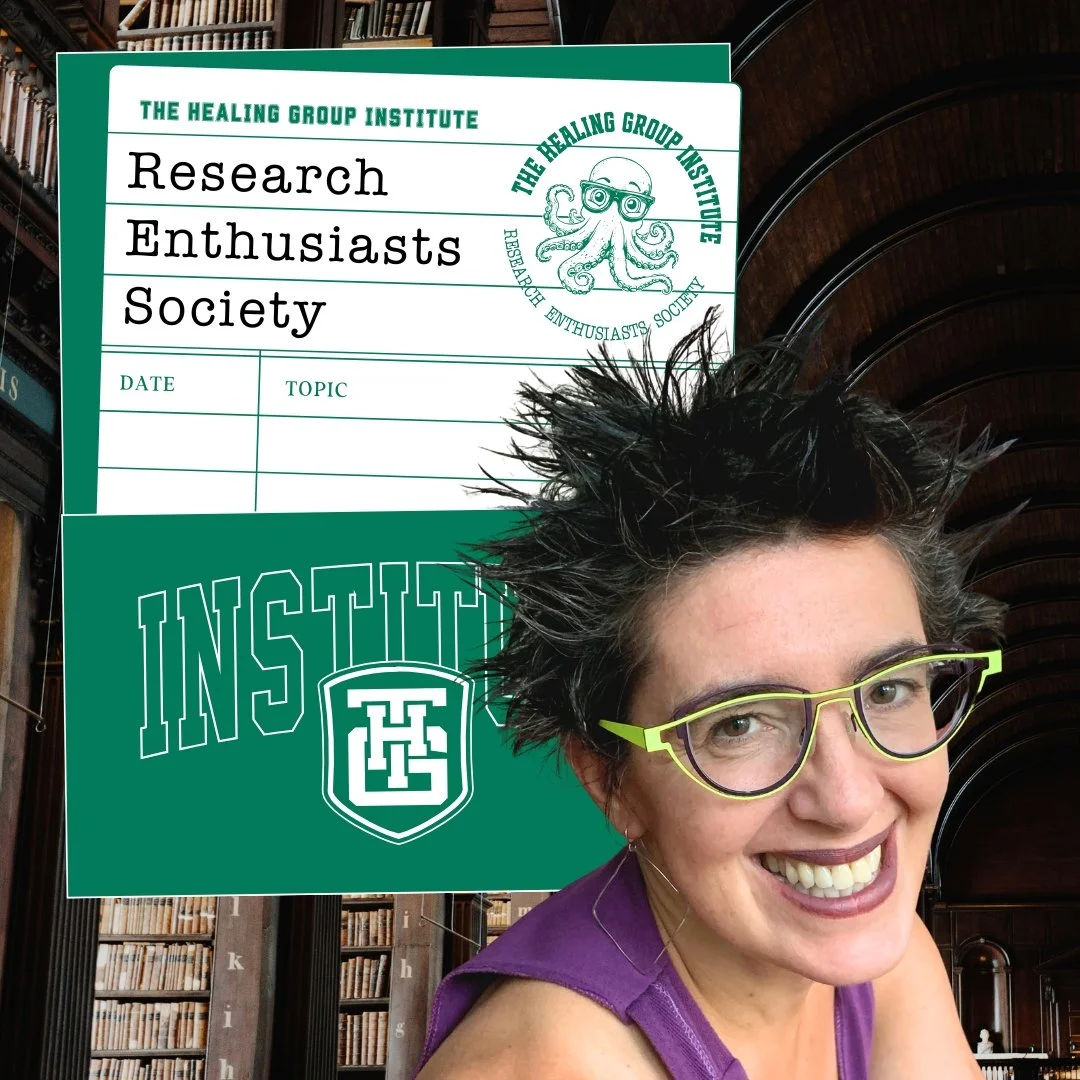
Presenter: Louise F. Wheeler, Ph.D
Date: October 13, 2026 | 2:00 PM MST
Format: Live, synchronous webinar | 1 hour
Content Level: Foundational/Intermediate
Target Audience: Clinical Mental Health Providers
CE Credits: 1 continuing education credit
Certificates Available: ASWB/ACE, THGI
Course Description
Part 1 of this training focuses on defining racial trauma and its impact on mental and physical health. The training is designed to help clinicians better identify diverse experiences of racism-based trauma and stress, understand how this type of trauma may manifest in individuals and communities, and gain insight into its impact on both mental and physical health.
Learning Objectives
At the conclusion of this training, attendees will be able to:
Identify diverse manifestations of racial trauma.
Identify how the cumulative effect of racism impacts mental and physical health in individuals and communities.
Identify assessment tools to better understand manifestations of racial trauma.
Limitations, Risks, & Benefits
This training is delivered via an online platform; there are no anticipated risks beyond those typically associated with online learning environments, though the format may not fully replicate the interactivity of in-person instruction. Participants may encounter discomfort as they explore sensitive topics or are asked to challenge existing beliefs and practices. Some content is based on emerging research that has not yet reached full consensus in the peer-reviewed literature and reflects information available at the time of development; practitioners are encouraged to stay current with evolving research and regulatory standards. Benefits include an increased ability to understand and apply this knowledge in professional practice, and the training promotes compassionate, inclusive care that reduces discomfort when addressing topics related to diversity, cultural differences, and individual role differences.
Cultural Sensitivity
This training explicitly addresses the influence of culture, race, ethnicity, national origin, religion, gender, gender identity, sexual orientation, age, disability, language, and socioeconomic status on the topics discussed, and helps participants recognize and examine their own unconscious biases related to these identity factors. Content incorporates case examples and perspectives from communities directly impacted by racial trauma, and addresses how systemic inequities, social determinants of health, and implicit bias may affect clinical decision-making, assessment, diagnosis, and treatment planning. The training addresses the intersection of multiple identity factors and how they may compound experiences of discrimination, trauma, or barriers to care, and offers strategies for culturally responsive, affirming care grounded in inclusive, non-stigmatizing language. Participants are encouraged to reflect on how their own cultural background and professional training may influence their clinical practice, building skills for culturally humble, ongoing self-reflective practice consistent with ethical standards for nondiscrimination and equitable service delivery.
Course Content
This training presents foundational to intermediate-level content on racial trauma, delivered through lecture and didactic instruction. The session covers evidence-based intervention and treatment methods relevant to racial trauma, grounded in current peer-reviewed research, with a focus on trauma-informed approaches and their application in clinical practice.
Relevance
This training addresses content directly applicable to both clinical practice, including assessment, intervention, and treatment planning, and nonclinical practice, including case management, advocacy, and community-based work. It builds upon foundational knowledge gained through a graduate-level degree in social work, psychology, counseling, or a related mental health field, including doctoral-level training in psychology. Content addresses human behavior and the social environment, reflects current peer-reviewed research and evidence-based practice, and incorporates diversity, equity, inclusion, and social justice alongside trauma-informed approaches to care. This training is relevant to professionals across mental health disciplines, including licensed social workers, psychologists, licensed professional counselors, and marriage and family therapists.
About the Presenter
Doctor Louise Wheeler is a licensed clinical psychologist specializing in trauma and perinatal and parental mental health. She currently practices in Utah, where she is licensed, and across 42 other states through PSYPACT.
Doctor Wheeler received a bachelor's degree in psychology from l'Université de Provence in France and completed a doctoral degree in clinical psychology from Brigham Young University. She has practiced across several settings, from community mental health centers and college counseling centers to private practice. Doctor Wheeler taught and trained college and graduate students for several years before opening her own practice and moving into exclusively providing clinical services. Her practice centers individual therapy while also emphasizing the essential nature of building stronger communities to improve mental health outcomes.
Course Details
Delivery method: Live webinar via the Institute learning platform
Course interactivity: Lecture and didactic instruction with live Q&A
Posttest/quiz: Because this is a live course, a standard posttest is not required. Participation will be monitored throughout the session.
Certificate issuance: Certificates of credit will be issued immediately after course completion to participants who attend the full session and complete the course evaluation.
Contact for questions: institute@thehealinggroup.com
Accessibility accommodations: To request accessibility accommodations, please contact institute@thehealinggroup.com prior to the event. We are committed to making our trainings accessible to all participants.
Registration
Register online at thehealinggroupinstitute.com. Refunds are not available. Full refund and cancellation policy is available on the website.
Commercial Support & Conflict of Interest Disclosure
No commercial entity has provided funding or support for this course. Louise F. Wheeler, Ph.D has no relevant conflicts of interest to disclose.
ASWB ACE Statement:
The Healing Group Institute, provider number 2716, is approved as an ACE provider to offer social work continuing education by the Association of Social Work Boards (ASWB) Approved Continuing Education (ACE) program. Regulatory boards are the final authority on courses accepted for continuing education credit. ACE provider approval period: 3/31/26 – 3/31/27. Social workers completing this course receive 1 continuing education credit.
This training is not eligible for AASECT continuing education credit.
Presenter: Louise F. Wheeler, Ph.D
Date: October 13, 2026 | 2:00 PM MST
Format: Live, synchronous webinar | 1 hour
Content Level: Foundational/Intermediate
Target Audience: Clinical Mental Health Providers
CE Credits: 1 continuing education credit
Certificates Available: ASWB/ACE, THGI
Course Description
Part 1 of this training focuses on defining racial trauma and its impact on mental and physical health. The training is designed to help clinicians better identify diverse experiences of racism-based trauma and stress, understand how this type of trauma may manifest in individuals and communities, and gain insight into its impact on both mental and physical health.
Learning Objectives
At the conclusion of this training, attendees will be able to:
Identify diverse manifestations of racial trauma.
Identify how the cumulative effect of racism impacts mental and physical health in individuals and communities.
Identify assessment tools to better understand manifestations of racial trauma.
Limitations, Risks, & Benefits
This training is delivered via an online platform; there are no anticipated risks beyond those typically associated with online learning environments, though the format may not fully replicate the interactivity of in-person instruction. Participants may encounter discomfort as they explore sensitive topics or are asked to challenge existing beliefs and practices. Some content is based on emerging research that has not yet reached full consensus in the peer-reviewed literature and reflects information available at the time of development; practitioners are encouraged to stay current with evolving research and regulatory standards. Benefits include an increased ability to understand and apply this knowledge in professional practice, and the training promotes compassionate, inclusive care that reduces discomfort when addressing topics related to diversity, cultural differences, and individual role differences.
Cultural Sensitivity
This training explicitly addresses the influence of culture, race, ethnicity, national origin, religion, gender, gender identity, sexual orientation, age, disability, language, and socioeconomic status on the topics discussed, and helps participants recognize and examine their own unconscious biases related to these identity factors. Content incorporates case examples and perspectives from communities directly impacted by racial trauma, and addresses how systemic inequities, social determinants of health, and implicit bias may affect clinical decision-making, assessment, diagnosis, and treatment planning. The training addresses the intersection of multiple identity factors and how they may compound experiences of discrimination, trauma, or barriers to care, and offers strategies for culturally responsive, affirming care grounded in inclusive, non-stigmatizing language. Participants are encouraged to reflect on how their own cultural background and professional training may influence their clinical practice, building skills for culturally humble, ongoing self-reflective practice consistent with ethical standards for nondiscrimination and equitable service delivery.
Course Content
This training presents foundational to intermediate-level content on racial trauma, delivered through lecture and didactic instruction. The session covers evidence-based intervention and treatment methods relevant to racial trauma, grounded in current peer-reviewed research, with a focus on trauma-informed approaches and their application in clinical practice.
Relevance
This training addresses content directly applicable to both clinical practice, including assessment, intervention, and treatment planning, and nonclinical practice, including case management, advocacy, and community-based work. It builds upon foundational knowledge gained through a graduate-level degree in social work, psychology, counseling, or a related mental health field, including doctoral-level training in psychology. Content addresses human behavior and the social environment, reflects current peer-reviewed research and evidence-based practice, and incorporates diversity, equity, inclusion, and social justice alongside trauma-informed approaches to care. This training is relevant to professionals across mental health disciplines, including licensed social workers, psychologists, licensed professional counselors, and marriage and family therapists.
About the Presenter
Doctor Louise Wheeler is a licensed clinical psychologist specializing in trauma and perinatal and parental mental health. She currently practices in Utah, where she is licensed, and across 42 other states through PSYPACT.
Doctor Wheeler received a bachelor's degree in psychology from l'Université de Provence in France and completed a doctoral degree in clinical psychology from Brigham Young University. She has practiced across several settings, from community mental health centers and college counseling centers to private practice. Doctor Wheeler taught and trained college and graduate students for several years before opening her own practice and moving into exclusively providing clinical services. Her practice centers individual therapy while also emphasizing the essential nature of building stronger communities to improve mental health outcomes.
Course Details
Delivery method: Live webinar via the Institute learning platform
Course interactivity: Lecture and didactic instruction with live Q&A
Posttest/quiz: Because this is a live course, a standard posttest is not required. Participation will be monitored throughout the session.
Certificate issuance: Certificates of credit will be issued immediately after course completion to participants who attend the full session and complete the course evaluation.
Contact for questions: institute@thehealinggroup.com
Accessibility accommodations: To request accessibility accommodations, please contact institute@thehealinggroup.com prior to the event. We are committed to making our trainings accessible to all participants.
Registration
Register online at thehealinggroupinstitute.com. Refunds are not available. Full refund and cancellation policy is available on the website.
Commercial Support & Conflict of Interest Disclosure
No commercial entity has provided funding or support for this course. Louise F. Wheeler, Ph.D has no relevant conflicts of interest to disclose.
ASWB ACE Statement:
The Healing Group Institute, provider number 2716, is approved as an ACE provider to offer social work continuing education by the Association of Social Work Boards (ASWB) Approved Continuing Education (ACE) program. Regulatory boards are the final authority on courses accepted for continuing education credit. ACE provider approval period: 3/31/26 – 3/31/27. Social workers completing this course receive 1 continuing education credit.
This training is not eligible for AASECT continuing education credit.