 Image 1 of 1
You Got Your Peanut Butter in My Chocolate!: Working with Complex Trauma in Relationships, Restoring Connection without Overwhelming the System
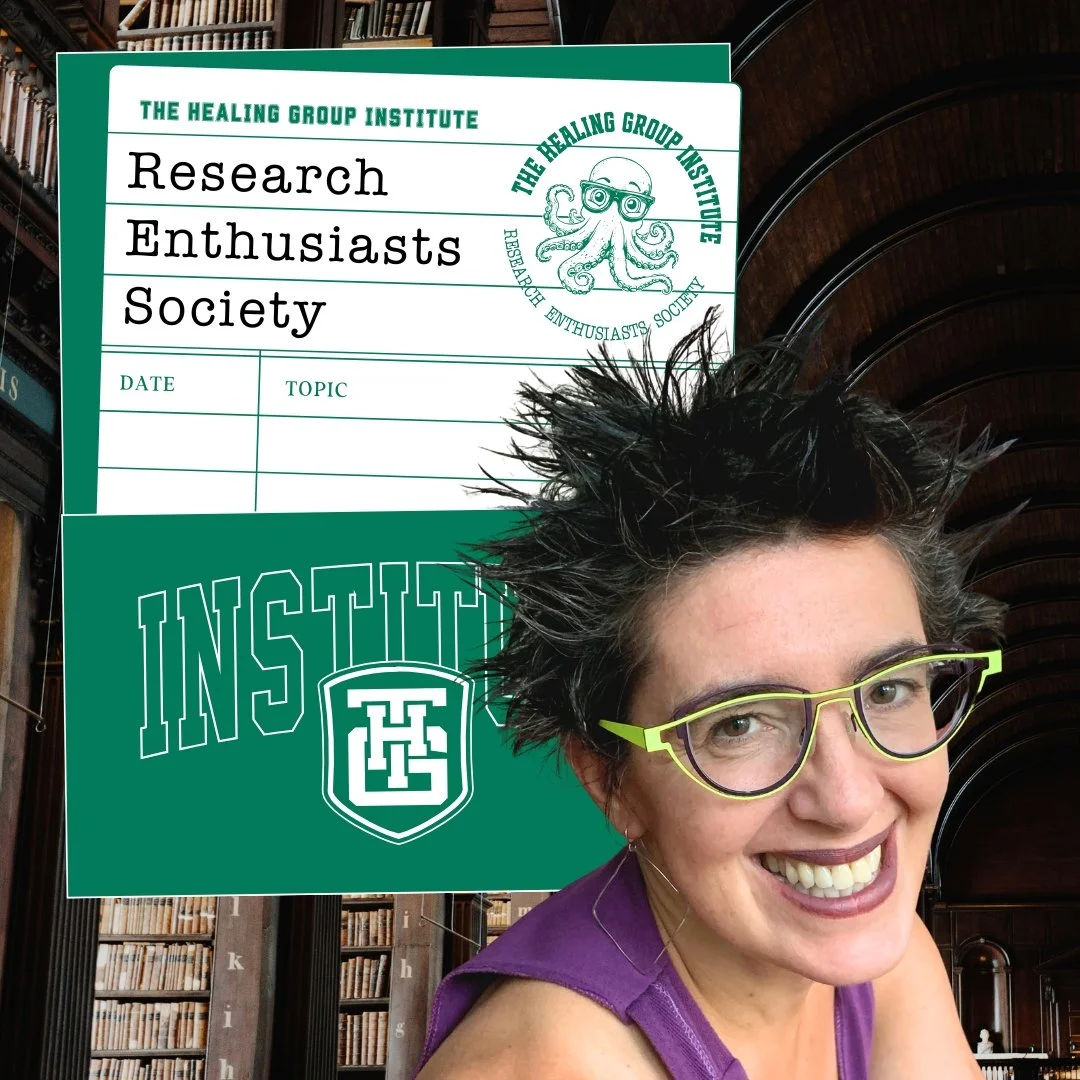
Presenter: Mary Attridge, ATR-BC, ATCS, LCMHC, EMDRIA-CIT
Date: July 14, 2026 | 2:00 PM MST
Format: Live, interactive synchronous webinar | 1 hour
Content Level: Beginner
Target Audience: Clinical Mental Health Providers
CE Credits: 1 continuing education credit
Course Description
This one-hour live webinar equips licensed social workers and mental health clinicians with a neurobiologically informed framework for understanding and intervening in couples conflict. Drawing on current research in autonomic nervous system functioning and relational neuroscience, participants will explore how each partner's physiological stress responses are activated, expressed, and mutually influenced during interpersonal conflict.
Through didactic instruction, case illustration, guided reflection, and structured skills practice, participants will develop the ability to recognize signs of nervous system overwhelm as they present in couples' communication patterns, somatic responses, and relational behaviors. The training prepares clinicians to implement evidence-informed de-escalation strategies — drawing from Emotionally Focused Therapy and trauma-informed practice — that support both partners in returning to a regulated, connected state, a prerequisite for productive therapeutic engagement.
Throughout the course, participants are invited to consider how race, ethnicity, gender identity, sexual orientation, socioeconomic status, and other dimensions of identity inform each partner's nervous system history and relational patterns. Rather than treating couples conflict as purely interpersonal or biological, the training supports clinicians in understanding how collective and individual trauma rooted in systemic inequity manifests in the body and in relationship. While the content is most immediately applicable to couples work, the neurobiological and relational concepts covered are broadly relevant across all meaningful relationships and clinical populations.
Learning Objectives
At the conclusion of this training, participants will be able to:
Analyze how the autonomic nervous systems of both partners interact and mutually influence physiological and emotional responses during relational conflict.
Recognize at least three clinical indicators of nervous system overwhelm within couples' relationships, including behavioral, somatic, and communicative presentations.
Apply a minimum of three evidence-informed intervention strategies to facilitate de-escalation and promote emotional reconnection in couples work.
Limitations, Risks, & Benefits
This training is delivered via live Zoom, making specialized content accessible to clinicians regardless of geographic location and reducing barriers related to travel and cost. Facilitators acknowledge that somatic and experiential content has natural limitations in an online environment; to address this, live demonstration and structured skills practice are woven throughout to support clinical application. Participants are encouraged to join from a private, distraction-free setting to support full engagement with the material. No significant risks are anticipated, though participants may experience mild discomfort as sensitive material is explored. Benefits include a foundational understanding of autonomic nervous system functioning as it applies to relational conflict, practical and immediately applicable clinical tools, and enhanced confidence and competence in supporting couples navigating complex trauma and disconnection.
About the Presenter
Mary Attridge, ATR-BC, ATCS, LCMHC, EMDRIA-CIT, is a nationally registered and board-certified art therapist and art therapy supervisor, a licensed clinical mental health counselor in Utah, and an EMDRIA-credentialed professional and consultant in training. With over 20 years of experience in the mental health field, Mary brings deep expertise in couples and relationships, reproductive and sexual health, trauma, anxiety, depression, creativity development, and clinical supervision. Her work is grounded in trauma-informed practices, psychodynamic and attachment theories, and neuroscience, and she has pursued specialized training in perinatal mood and anxiety disorders, Emotionally Focused Couples Therapy, the 4-D Wheel, art therapy supervision, and integrative somatic and psychedelic facilitation. In her spare time, Mary can be found cooking, baking, knitting, hiking, making art, and contemplating finally learning to play the banjo.
Course Details
Delivery method: Live interactive webinar via the Institute learning platform
Course interactivity: Interactive — participants will engage in large group discussion, case consultation, guided reflection, and structured skills practice
Posttest/quiz: Because this is a live interactive course, a standard posttest is not required. Participation will be monitored throughout the session.
Certificate issuance: Certificates of credit will be issued immediately after course completion to participants who attend the full session and complete the course evaluation.
Contact for questions: institute@thehealinggroup.com
Accessibility accommodations: To request accessibility accommodations, please contact institute@thehealinggroup.com prior to the event. We are committed to making our trainings accessible to all participants.
ASWB ACE Statement:
The Healing Group Institute, provider number 2716, is approved as an ACE provider to offer social work continuing education by the Association of Social Work Boards (ASWB) Approved Continuing Education (ACE) program. Regulatory boards are the final authority on courses accepted for continuing education credit. ACE provider approval period: 3/31/26 – 3/31/27. Social workers completing this course receive 1 continuing education credit.
AASECT CKA:
C. Socio-cultural, familial factors (e.g., ethnicity, culture, religion, spirituality, socioeconomic status, family values) in relation to sexual values and behaviors.
E. Intimacy skills (e.g., social, emotional, sexual), intimate relationships, interpersonal relationships, and family dynamics.
AASECT ST:
C. Theory and methods of approach to intervention in relationship systems experiencing sex and intimacy problems.
This presentation has been reviewed by Kristin Hodson, LCSW, CST, CSTS to ensure it meets AASECT standards.
You Got Your Peanut Butter in My Chocolate!: Working with Complex Trauma in Relationships, Restoring Connection without Overwhelming the System
Presenter: Mary Attridge, ATR-BC, ATCS, LCMHC, EMDRIA-CIT
Date: July 14, 2026 | 2:00 PM MST
Format: Live, interactive synchronous webinar | 1 hour
Content Level: Beginner
Target Audience: Clinical Mental Health Providers
CE Credits: 1 continuing education credit
Course Description
This one-hour live webinar equips licensed social workers and mental health clinicians with a neurobiologically informed framework for understanding and intervening in couples conflict. Drawing on current research in autonomic nervous system functioning and relational neuroscience, participants will explore how each partner's physiological stress responses are activated, expressed, and mutually influenced during interpersonal conflict.
Through didactic instruction, case illustration, guided reflection, and structured skills practice, participants will develop the ability to recognize signs of nervous system overwhelm as they present in couples' communication patterns, somatic responses, and relational behaviors. The training prepares clinicians to implement evidence-informed de-escalation strategies — drawing from Emotionally Focused Therapy and trauma-informed practice — that support both partners in returning to a regulated, connected state, a prerequisite for productive therapeutic engagement.
Throughout the course, participants are invited to consider how race, ethnicity, gender identity, sexual orientation, socioeconomic status, and other dimensions of identity inform each partner's nervous system history and relational patterns. Rather than treating couples conflict as purely interpersonal or biological, the training supports clinicians in understanding how collective and individual trauma rooted in systemic inequity manifests in the body and in relationship. While the content is most immediately applicable to couples work, the neurobiological and relational concepts covered are broadly relevant across all meaningful relationships and clinical populations.
Learning Objectives
At the conclusion of this training, participants will be able to:
Analyze how the autonomic nervous systems of both partners interact and mutually influence physiological and emotional responses during relational conflict.
Recognize at least three clinical indicators of nervous system overwhelm within couples' relationships, including behavioral, somatic, and communicative presentations.
Apply a minimum of three evidence-informed intervention strategies to facilitate de-escalation and promote emotional reconnection in couples work.
Limitations, Risks, & Benefits
This training is delivered via live Zoom, making specialized content accessible to clinicians regardless of geographic location and reducing barriers related to travel and cost. Facilitators acknowledge that somatic and experiential content has natural limitations in an online environment; to address this, live demonstration and structured skills practice are woven throughout to support clinical application. Participants are encouraged to join from a private, distraction-free setting to support full engagement with the material. No significant risks are anticipated, though participants may experience mild discomfort as sensitive material is explored. Benefits include a foundational understanding of autonomic nervous system functioning as it applies to relational conflict, practical and immediately applicable clinical tools, and enhanced confidence and competence in supporting couples navigating complex trauma and disconnection.
About the Presenter
Mary Attridge, ATR-BC, ATCS, LCMHC, EMDRIA-CIT, is a nationally registered and board-certified art therapist and art therapy supervisor, a licensed clinical mental health counselor in Utah, and an EMDRIA-credentialed professional and consultant in training. With over 20 years of experience in the mental health field, Mary brings deep expertise in couples and relationships, reproductive and sexual health, trauma, anxiety, depression, creativity development, and clinical supervision. Her work is grounded in trauma-informed practices, psychodynamic and attachment theories, and neuroscience, and she has pursued specialized training in perinatal mood and anxiety disorders, Emotionally Focused Couples Therapy, the 4-D Wheel, art therapy supervision, and integrative somatic and psychedelic facilitation. In her spare time, Mary can be found cooking, baking, knitting, hiking, making art, and contemplating finally learning to play the banjo.
Course Details
Delivery method: Live interactive webinar via the Institute learning platform
Course interactivity: Interactive — participants will engage in large group discussion, case consultation, guided reflection, and structured skills practice
Posttest/quiz: Because this is a live interactive course, a standard posttest is not required. Participation will be monitored throughout the session.
Certificate issuance: Certificates of credit will be issued immediately after course completion to participants who attend the full session and complete the course evaluation.
Contact for questions: institute@thehealinggroup.com
Accessibility accommodations: To request accessibility accommodations, please contact institute@thehealinggroup.com prior to the event. We are committed to making our trainings accessible to all participants.
ASWB ACE Statement:
The Healing Group Institute, provider number 2716, is approved as an ACE provider to offer social work continuing education by the Association of Social Work Boards (ASWB) Approved Continuing Education (ACE) program. Regulatory boards are the final authority on courses accepted for continuing education credit. ACE provider approval period: 3/31/26 – 3/31/27. Social workers completing this course receive 1 continuing education credit.
AASECT CKA:
C. Socio-cultural, familial factors (e.g., ethnicity, culture, religion, spirituality, socioeconomic status, family values) in relation to sexual values and behaviors.
E. Intimacy skills (e.g., social, emotional, sexual), intimate relationships, interpersonal relationships, and family dynamics.
AASECT ST:
C. Theory and methods of approach to intervention in relationship systems experiencing sex and intimacy problems.
This presentation has been reviewed by Kristin Hodson, LCSW, CST, CSTS to ensure it meets AASECT standards.